Token · Explainer
What Is a Cryptocurrency Faucet? A Practical Guide
A crypto faucet gives you small crypto rewards for completing simple tasks, or distributes test tokens for practice. Learn how faucets work, what you may actually receive, and how to check a faucet safely before connecting a wallet or sharing personal information.
By the SkyBitcoins editorial team · Updated
What is a cryptocurrency faucet?
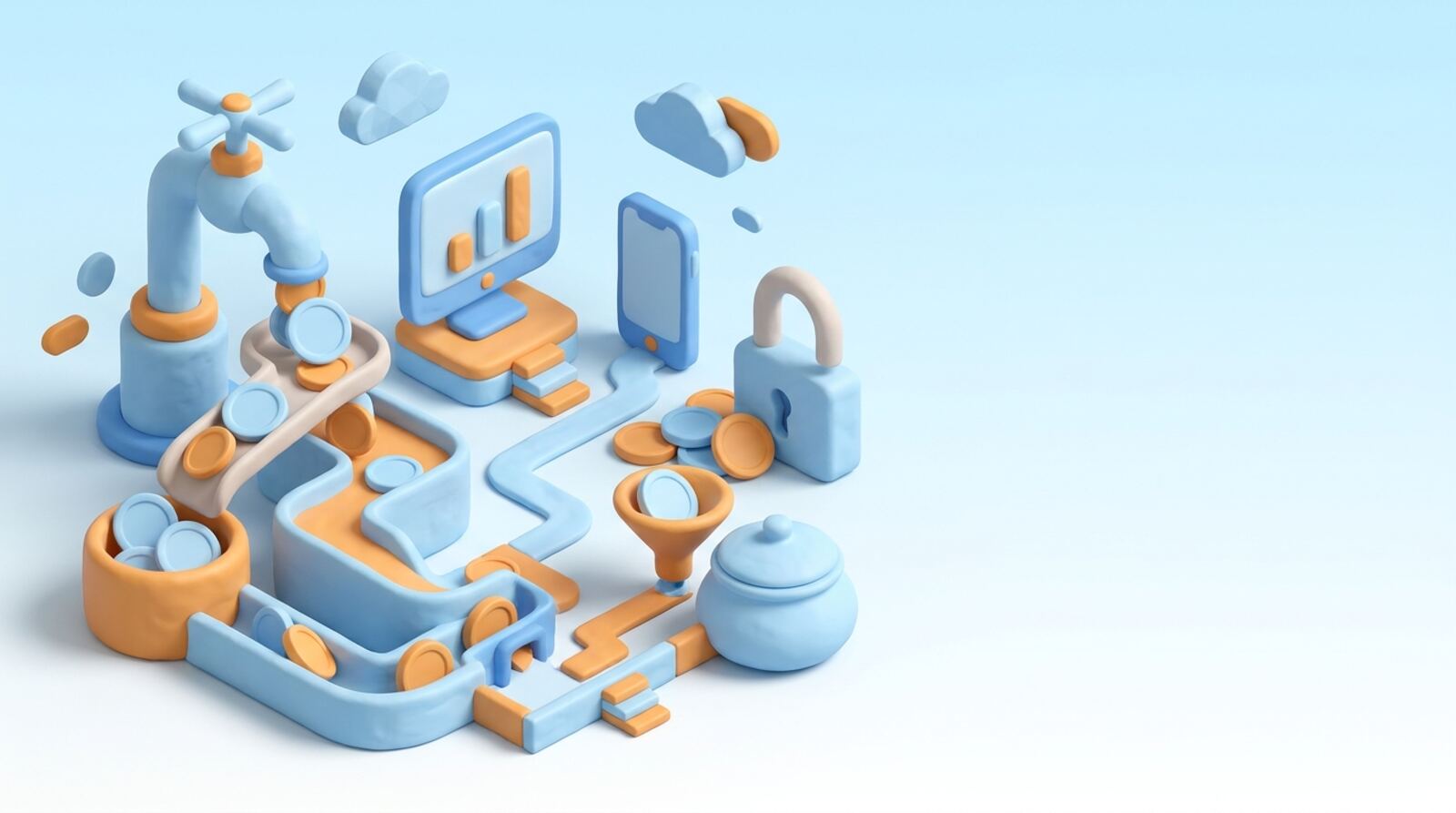
A cryptocurrency faucet is a website or app that gives out small amounts of crypto, often in exchange for simple actions such as solving a CAPTCHA, viewing ads or completing a task. The name reflects the idea of receiving small drops rather than a large payment.
Some faucets distribute real tokens on a live blockchain. Others give out testnet tokens, which are intended for practice and development, not spending or investment. These are very different offers: a testnet token is not a free version of a valuable mainnet coin.
Faucets can introduce you to crypto without requiring an initial purchase, but rewards are usually modest and may come with conditions. A platform might require you to collect a minimum balance before withdrawing, or use a payout method that involves a fee.
The useful question is not just “Is it free?” It is: what does the faucet want in return, what exactly will you receive, and can you withdraw it safely?
How does a crypto faucet work?
A faucet typically earns money from advertising, sponsorships or other activity, then uses part of that revenue or its token allocation to fund rewards. The exact model varies by operator. In return, you may be asked to complete a task, view ads, answer a survey, play a simple game or verify that you are human.
A common process looks like this:
- Create an account or choose a wallet address.
- Complete a task or wait for a claim window to reset.
- Receive a small reward in an on-site balance or through a blockchain transaction.
- Withdraw once you meet any minimum balance and payout conditions.
Some faucets pay directly on-chain; others hold your rewards until you request a withdrawal. The latter means you rely on the operator to keep the balance available and process the payout. A displayed balance is not the same as crypto in your own wallet.
Before starting, check how often you can claim, whether a minimum withdrawal applies, which network is used and whether the platform deducts a fee. If these terms are unclear, do not assume you will receive the advertised amount.
What can you earn, and what costs can reduce it?
The amount shown in a faucet’s promotions may not be the amount you can use. Rewards can be very small, and their value changes with the token’s market price. A token may also have little trading activity or no practical way to sell it.
Check these details before completing tasks:
| What to check | Why it matters |
|---|---|
| Reward token and network | Similar token names can exist on different networks. |
| Claim limit or schedule | It controls how often you can earn. |
| Minimum withdrawal | You may need to accumulate rewards before cashing out. |
| Payout and network fees | Fees can reduce or exceed a small reward. |
| Withdrawal method | An on-site balance depends on the operator; an on-chain payout depends on the address and network being correct. |
Even when there is no fee to join, your time has a cost. Estimate how long tasks take and compare that with the amount you can actually withdraw, not a headline reward. Never pay a “release,” “verification” or “upgrade” fee just to unlock supposed earnings without independently verifying the platform and terms. A promised payout is not proof that the faucet is legitimate.
Are testnet faucets different from faucets that pay crypto?
A testnet faucet gives out tokens on a blockchain’s testing network. Developers use these tokens to try transactions, deploy applications or test wallet flows without risking valuable mainnet assets. You may need to select a specific test network and provide a compatible wallet address.
Testnet tokens generally have no monetary value. They are not interchangeable with the same-looking token on a live network, even if a wallet displays a familiar symbol. Never pay someone to sell you testnet tokens as if they were investment assets.
To use a testnet faucet safely:
- Confirm the network name in the application or development task you are testing.
- Check that the wallet address is set up for that network.
- Use the faucet’s stated claim process; do not provide your recovery phrase.
- Keep test funds separate from funds you use on a live network.
A testnet faucet can be useful for learning how wallet addresses and transactions work. It is not a way to earn spendable crypto. If a site claims its test tokens can be cashed out for real money, treat that claim with skepticism and verify it before doing anything.
How can you judge whether a faucet is legitimate?
Some faucets are simple reward sites; others use ads, surveys, referral schemes or account balances. A site may be genuine but still offer poor value, collect more personal information than you want to share, or make withdrawals difficult. “Free” does not guarantee that a service is safe or worthwhile.
Look for clear answers to these questions before using one:
- Who operates the service, and can you find consistent information about it?
- Which token and network does it pay on?
- Are claim limits, withdrawal thresholds and fees stated plainly?
- Does it explain what data it collects and how it uses it?
- Are payout conditions realistic and consistent, rather than dependent on recruiting others?
Be especially wary of guaranteed high earnings, urgent countdowns, requests to deposit crypto first, or claims that you must pay to unlock a reward. Search for independent reports of failed withdrawals, but remember that testimonials and screenshots can be fabricated. If the operator, payout rules or token are hard to verify, it is safer to walk away than to provide personal details or connect a valuable wallet.
How do you use a faucet without exposing your wallet?
A faucet should not need your wallet’s recovery phrase or private key. These give control of your wallet, so never enter them into a faucet, support chat, form or pop-up. Use a separate wallet with no valuable assets if a legitimate service requires a wallet connection.
Before signing anything, read the wallet prompt. A simple claim should not require you to approve unlimited spending of a valuable token or sign a transaction you do not understand. Reject unexpected requests, and do not install unknown software or browser extensions to “verify” your account.
Protect your personal information, too. Surveys may request contact or demographic details; decide whether the reward is worth sharing them. Use a unique password for any account, and be cautious of emails or messages asking you to log in through a link or pay a fee to receive a reward.
If you do receive a withdrawal, confirm the address and network before sending anything yourself. Crypto transfers are generally difficult or impossible to reverse when sent to the wrong address or network. Keep only the small amount needed for a faucet in the wallet you use for claims.
What should you check before claiming a faucet reward?
Use this short checklist before you spend time on a faucet:
- Identify the reward. Is it a live-network asset or a testnet token? Which network and token contract are involved?
- Read the payout rules. Note claim frequency, minimum withdrawal, payment method and any fees.
- Check the task. Avoid offers that require a deposit, private key, recovery phrase, unexplained signature or suspicious download.
- Limit your exposure. Use a separate wallet and a unique account password. Share only the personal information you are comfortable providing.
- Track the result. Record the time spent, amount earned, withdrawal status and any costs.
- Stop if terms change. Do not keep completing tasks just because a site says a payout is almost unlocked if it keeps raising the threshold or demands new payments.
This process helps you distinguish a small, transparent reward from a time-consuming promotion or a risky request. If a faucet’s terms are vague, the safest choice is not to connect a wallet or submit information until you can verify what the service does.
Which faucet mistakes should you avoid?
The most common mistake is treating a faucet as income. Small rewards can be outweighed by time, payout thresholds and network costs, and a token’s displayed value does not guarantee that you can sell it. Decide in advance how much time you are willing to spend.
Other pitfalls to avoid:
- Confusing networks: Sending a token to an address on an incompatible network can make it difficult or impossible to recover.
- Trusting a screen balance: An account balance controlled by a website is not the same as a confirmed transaction in your wallet.
- Paying to collect a reward: A demand for an upfront deposit or release fee is a serious warning sign.
- Signing without reading: Wallet signatures and approvals can authorize actions beyond a simple claim.
- Using a valuable wallet: A separate, low-balance wallet limits the damage if you make a mistake.
- Ignoring records: Keep dates, token amounts, transaction details and any costs; tax treatment depends on where you live.
Faucets can be a low-stakes way to learn about claims and wallets, especially on testnets. They are not a substitute for buying crypto, and no faucet reward is guaranteed until it is actually paid under the stated terms.
Frequently asked questions
Can you make meaningful money from a crypto faucet?
Usually, no. Mainnet faucets may award small amounts, but the time spent on tasks, withdrawal thresholds and network fees can outweigh the reward. Treat them as a learning activity, not a dependable source of income.
Are testnet faucet tokens real money?
No. Testnet tokens are for trying transactions and applications on a test network; they are not the same as coins on the main network and generally cannot be sold for real money. Check that your wallet is set to the intended network.
Should a faucet ask for my seed phrase?
A legitimate faucet does not need your wallet’s recovery phrase or private key. Never share either. For a wallet-connected claim, review the requested action carefully and reject unexpected transfers, token approvals or signatures.
Do you have to pay tax on faucet rewards?
It depends on the faucet, its payout method and where you live. Crypto tax rules differ by jurisdiction and can depend on the reason for receiving tokens and their value. Keep records and consult a qualified tax professional if you are unsure.
Do faucets send rewards straight to your wallet?
Not necessarily. Some faucets pay directly to a wallet, while others keep a balance on their own platform until you reach a minimum withdrawal amount. Check the payout method, threshold and any fees before spending time on tasks.
Mentioned in this guide
dApps in this guide
Crypto.com offers broad crypto access and EUR deposits, but check spreads, fees and withdrawal terms before funding an account.
Keep reading
Related guides
Token · Explainer
What Is Cryptocurrency? A Practical Guide
Cryptocurrency is a digital asset transferred and recorded using cryptographic networks, often without a bank processing each payment. Learn how transactions work, what costs and risks to expect, and how to approach your first purchase or transfer.
Token · How-to
How to Buy Cryptocurrency: A Practical Guide
Buying cryptocurrency means choosing a legal, reputable route, checking the full cost, then placing and securing a small first purchase. Use this step-by-step guide to compare payment methods, avoid common mistakes and decide whether to leave your coins on a platform or move them to your own wallet.
Token · Explainer
What Are Cryptocurrency ETFs? A Practical Guide
A cryptocurrency ETF gives you exposure to crypto through an investment account, without requiring you to manage a crypto wallet. Learn how spot and futures funds work, what they cost, and what to check before buying shares.
Token · Explainer
What Are Cryptocurrencies? A Practical Guide
Cryptocurrencies are digital assets moved and recorded on computer networks, often without a bank processing each transaction. Learn how they work, how coins differ from tokens, what they cost and how to handle the risks before you use them.
Token · Explainer
What Is a Cryptocurrency Index? A Practical Guide
A cryptocurrency index tracks a defined group of digital assets using published rules for what it includes and how each asset is weighted. Learn how to read an index, how it differs from an ETF or token, and what to check before using one.
Token · Explainer
What Is a Crypto Winter? How to Recognize One
A crypto winter is a prolonged stretch of weak prices, reduced trading and low confidence—not a precise market signal or a guarantee that prices will recover. Learn how to recognize one and manage your exposure without trying to call the bottom.
Token · Explainer
What Is ADR Crypto? Identify the Right Token
“ADR” is not one uniquely identifiable crypto asset. It often refers to American Dollar Reserve, a token described as being on Solana, but the ticker is also used by other projects, including Adroverse.
Token · Explainer
What Is a Crypto Coin? A Practical Guide for 2026
A crypto coin is the native digital asset of a blockchain, often used to pay network fees or move value. Learn how coins differ from tokens and what to check before you use one.