NFT · Explainer
How to Sell Physical Fashion in a Virtual World With Boson
Boson Protocol can connect a virtual fashion listing with a claim to a real garment, represented by an NFT. Before you build a shop or buy, check what the NFT entitles you to, how fulfillment works, and whether the seller’s setup is still active.
By the SkyBitcoins editorial team · Updated
What does Boson Protocol do for virtual fashion sales?
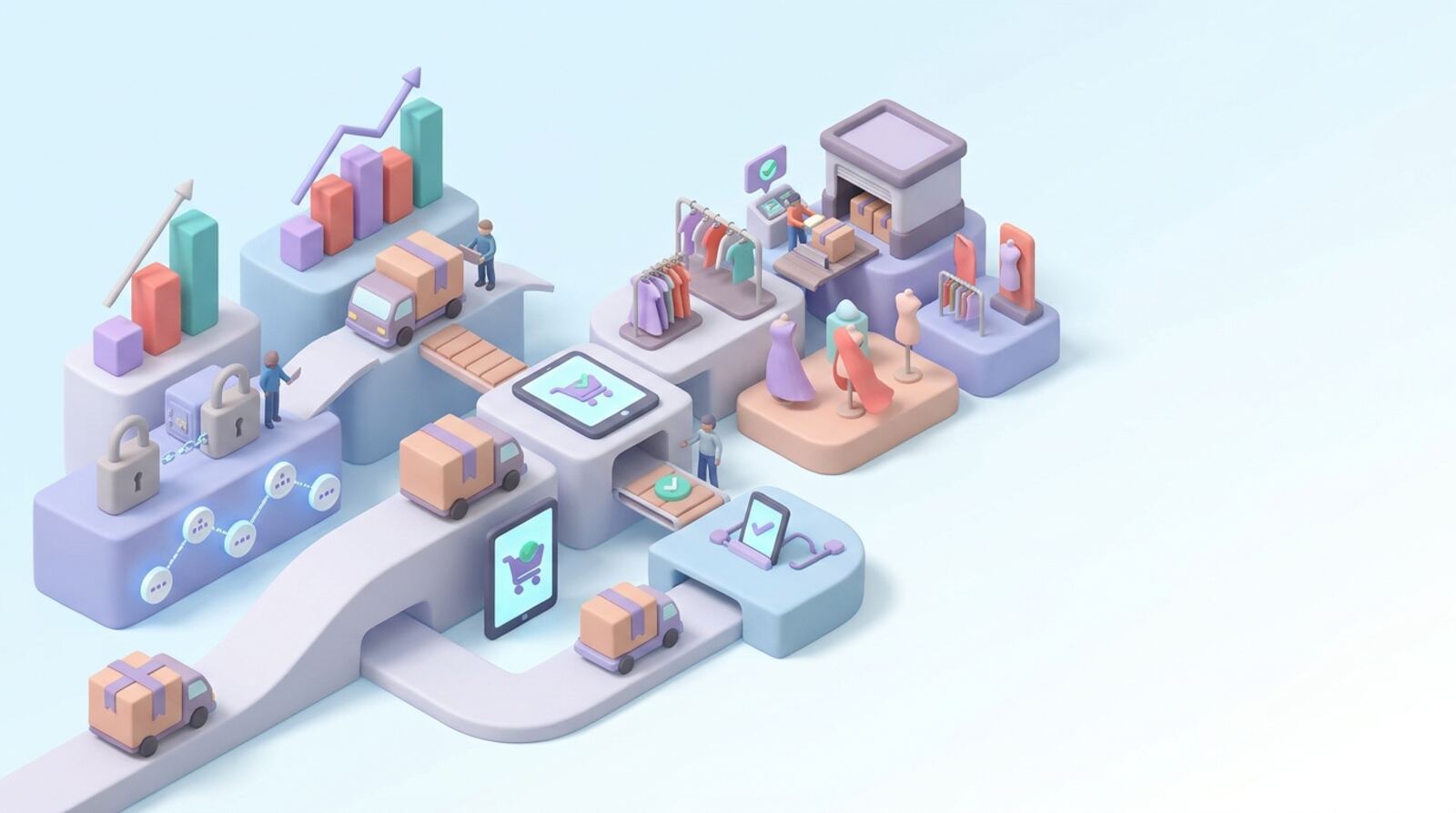
Boson Protocol is designed to help turn a digital listing into a transaction for a physical item. In a virtual fashion shop, a customer might view or wear a digital representation of a jacket, then buy an NFT linked to a claim for the real garment. The NFT is not the jacket: its meaning depends on the seller’s offer and redemption terms.
Boson has promoted virtual commerce and physical products sold as NFTs, including a fashion-focused metaverse campaign with several brands. That history shows the model has been explored; it does not prove that a particular store is open now or that new sellers can onboard today. Verify the current product and marketplace before planning a launch.
The practical question is whether your setup clearly connects three things: the virtual item, the NFT or redemption record, and the real-world fulfillment process. If any link is unclear, customers may not know what they bought or how to get it.
What should the fashion NFT promise to its buyer?
Treat the NFT as a possible digital claim to redeem a product, not as proof that a package is already on its way. A listing should make clear whether the buyer receives a specific physical garment, a right to claim one, or a different benefit. State the garment’s size, material, condition, edition or stock limits, and whether the digital wearable is included.
Before you list an item, write down the terms a customer would need to make an informed choice:
- What exact physical product is included, and what is not?
- How and when does the customer redeem the claim?
- Which countries or regions can receive delivery?
- Who pays shipping, customs charges, and return postage?
- What happens if an item is out of stock, delayed, damaged, or never redeemed?
- Can the NFT be transferred, and does transfer affect redemption?
Do not rely on the token alone to communicate these details. A wallet may show a token name or image, but that does not replace a readable product description, seller identity, customer support contact, and clear terms.
How does a buyer get from the virtual shop to delivery?
A Boson-linked sale generally involves a seller making an offer, a buyer acquiring a digital token or claim, and the buyer redeeming it for the promised product. Protocol escrow and transaction rules can help coordinate the exchange, but they do not manufacture, pack, or deliver the garment. The seller remains responsible for accurately describing and fulfilling the offer under its stated terms.
For a shop operator, map the customer journey before publishing:
- Show the physical item and its terms alongside the virtual version.
- Make the price, supported payment method, and redemption window visible before checkout.
- Explain where the buyer can find the NFT or claim after purchase.
- Give step-by-step redemption instructions, including any required account or shipping details.
- Confirm fulfillment and provide a way to contact the seller about delays or problems.
For customers, check that the redemption process is still available and that you can meet its requirements. A virtual-world purchase can involve a wallet, a marketplace, a seller, and a shipping provider. Know which party handles each step before approving a transaction.
What should a seller set up before opening a shop?
If you are selling, first confirm that Boson’s current tools support the product and sales flow you need. Then confirm the virtual-world or marketplace integration is active; an old campaign page or brand announcement is not enough. No current standard seller fee or all-in cost for this exact fashion workflow is established here, so get current charges from the services you plan to use before committing.
Use this checklist before launch:
- Define the SKU, sizes, available quantity, and fulfillment location.
- Decide whether each NFT is a one-time redemption claim or has another use.
- Test the buyer’s full path, including purchase, wallet receipt, redemption, and support.
- Check the contract address, network, permissions, and any transaction approvals before signing.
- Calculate production, packaging, shipping, returns, payment, network, marketplace, and protocol costs.
- Publish delivery estimates, restrictions, refund conditions, and a contact route.
Keep the setup simple enough that a customer can understand it without knowing how the protocol works. If a product depends on a feature or integration you cannot verify, do not advertise it as available.
Which costs should sellers and buyers budget for?
The sale price is only one part of the cost. A seller may need to cover garment production, storage, packaging, shipping, customer service, returns, and any platform or transaction charges. The buyer may also face network fees, shipping, taxes or import duties, depending on the offer and destination. These costs vary, so do not assume a virtual-world listing makes physical commerce cheaper.
Build a per-item estimate before setting a price. Include the cost of unsold stock and failed deliveries, not just the successful sale. If redemption is limited by country or stock, make that restriction visible before checkout rather than after the NFT is purchased.
For a buyer, compare the final price with the product and delivery terms. Check whether the listing states who pays customs charges, whether returns are accepted, and whether you lose the claim after a redemption deadline. If a fee appears in a wallet, verify its purpose and amount before signing. A transaction that looks like a simple NFT purchase can still include separate costs or approvals.
What can go wrong, and how can you reduce the risk?
The main risks are unclear promises, broken redemption flows, delivery problems, and wallet mistakes. A token can exist even if a seller later runs out of stock, stops responding, or cannot ship to a buyer’s location. Protocol escrow may govern parts of an exchange, but it is not a guarantee of product quality, successful delivery, or a refund in every case.
Avoid these common mistakes:
- Assuming the NFT itself is the physical garment or a guarantee of delivery.
- Buying before checking the seller, item description, redemption deadline, and shipping regions.
- Treating a past metaverse fashion campaign as proof the same shop remains active.
- Approving a wallet request without checking the network, recipient, amount, and permissions.
- Promising universal shipping, easy returns, or a delivery date you cannot meet.
- Ignoring consumer-protection, tax, privacy, or product-labeling rules where you operate.
Save the offer terms and transaction details. If an order is disputed, those records can help establish what was promised. A seller should also have a real support process; a blockchain record does not answer customer questions or resolve every fulfillment issue.
Are Boson’s virtual fashion stores still available?
Boson Protocol has been associated with virtual commerce and fashion promotions in which brands offered physical products as NFTs. That is useful context for understanding the concept, but an announcement or past campaign is not the same as a continuously operating shop. Do not assume that a named brand still sells through the same route, that a particular virtual world supports the feature, or that new sellers can join without checking current details.
If you want to buy, look for a live product offer with a working redemption process, identifiable seller, current stock information, and terms that cover delivery and refunds. If you want to sell, confirm the platform integration and commercial terms directly before building around them. If those checks fail, treat the offer as unavailable rather than relying on old promotional material.
The safest decision rule is straightforward: proceed only when you can explain what the buyer gets, how they claim it, who ships it, and what happens when fulfillment fails. If one of those answers is missing, pause the transaction or postpone the launch.
Frequently asked questions
Does a Boson NFT automatically prove a physical garment will arrive?
Not by itself. An NFT can represent a claim to redeem a garment, but the seller still has to describe the item, fulfill the order and follow applicable consumer laws. Check the redemption and refund terms before buying.
Can a buyer resell or transfer the fashion NFT?
A buyer may be able to transfer a redeemable NFT if the token and marketplace support transfers. That does not necessarily change who is responsible for delivery or what conditions apply. Read the specific offer’s terms before relying on resale or transferability.
What does it cost to sell a garment through Boson Protocol?
There is no single all-in cost to assume. The seller may need to account for network transactions, any marketplace or protocol charges, production, packaging, shipping, returns and customer support. Confirm current charges and the seller’s margins before publishing.
Can I still buy from Boson’s virtual fashion shops?
A past campaign or virtual-world storefront does not establish that a shop is currently operating or that new sellers can join. Check Boson Protocol’s current product and seller information, and confirm that the specific marketplace supports redeemable physical goods.
What does the NFT represent: the clothing or a redemption claim?
The NFT may function as a digital claim or redemption instrument; it is not automatically the garment itself. The offer should state whether the buyer receives ownership, a right to redeem, or another defined benefit, along with any restrictions.
Mentioned in this guide
dApps in this guide
Boson offers escrow infrastructure for agent and human commerce, but check transaction fees, contract details and dispute rules before using it.
Save lets you lend crypto or borrow against deposits, but check changing pool rates, unclear fees and audit details before using it.
Keep reading
Related guides
NFT · Explainer
Billboard × World of Women: How to Check the NFT Claim
A Billboard × World of Women NFT collaboration is not confirmed by the details established here. Learn what the claim would mean, what to verify before connecting a wallet, and how to avoid paying for an imitation.
NFT · Explainer
Did the FIFA World Cup Bring Web3 to 5 Billion People?
The World Cup can introduce digital collectibles and blockchain ideas to a huge audience, but that is not the same as onboarding five billion people to Web3. Here’s what the claim means and what you should check before buying a FIFA collectible.
NFT · Explainer
Mars4 NFTs: What Virtual Mars Land Really Means
Mars4 connects NFT land plots with a proposed Mars-themed virtual world. Before you buy or interact, separate the digital collectible from claims about gameplay, token utility and investment value—and check what is live in 2026.
NFT · How-to
How to Use Rarible to Buy, Sell and Mint NFTs
Rarible is a multichain NFT marketplace where you can explore, buy, sell and create digital collectibles. Before you connect a wallet or sign, check the blockchain, the total cost and what rights the NFT actually gives you.
NFT · Explainer
Brie Larson’s Flower Girls NFT: What Happened?
Brie Larson’s Flower Girls NFT purchase made headlines in 2022, but it did not mean she launched an NFT project or marketplace. Here’s what the purchase showed, what remains unclear, and what to check before you buy a collectible yourself.
NFT · Explainer
Bored Ape Otherside: What to Know in 2026
Otherside is Yuga Labs’ planned multiplayer metaverse connected to Bored Ape Yacht Club and other NFTs. Learn what it was designed to do, what its 2025 availability claim means in 2026, and how to check access and costs before you connect a wallet.
NFT · Explainer
How to Build an NFT Project on Hedera in 2026
Hedera gives NFT teams a network for creating tokens, recording transactions and building applications around collectibles. Here’s how to assess the tools, costs and trade-offs before launching.
NFT · Explainer
How to Understand the Bored Ape KINGSHIP M&M’s Box
The KINGSHIP Bored Ape M&M’s box is a physical limited-edition collectible, not a BAYC NFT. Here’s how to tell what you’re buying and assess a resale listing in 2026.