


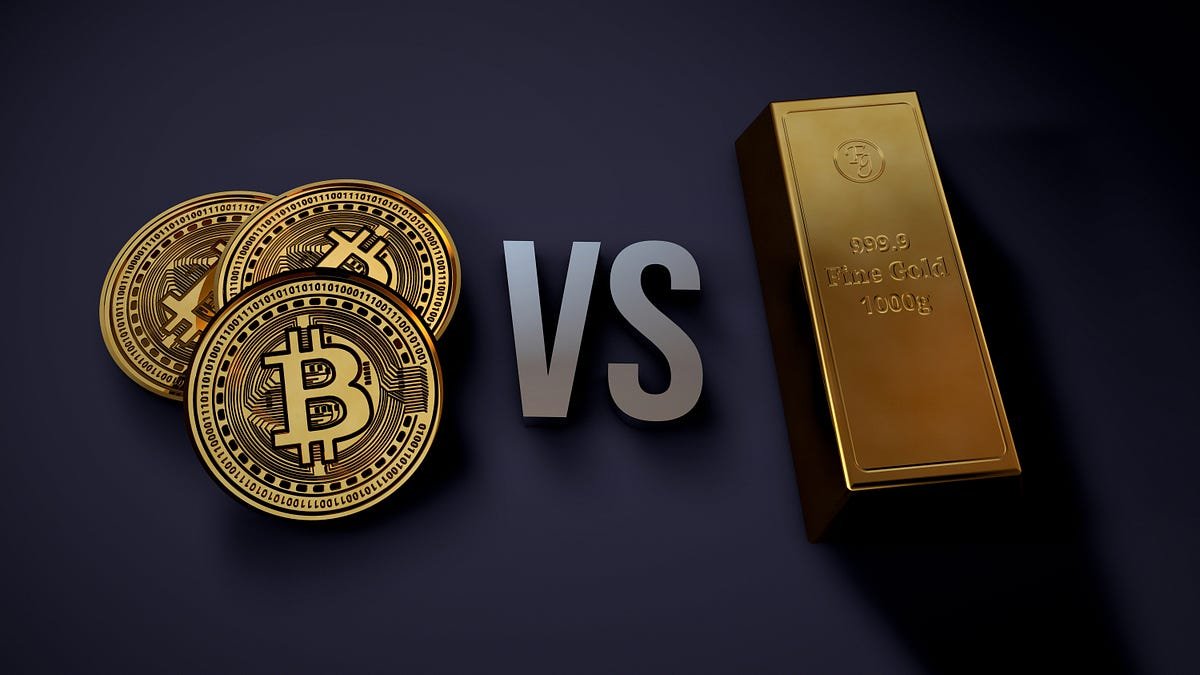
In an era defined by economic uncertainty, inflationary pressures, and geopolitical tensions, investors are increasingly searching for reliable ways to protect their wealth. The debate surrounding Bitcoin vs Gold has intensified in 2026, as both assets are widely considered safe havens during turbulent times. However, their characteristics, risk profiles, and long-term potential differ significantly.
For decades, gold has been the traditional hedge against inflation and currency devaluation. Its intrinsic value, physical scarcity, and historical role as a store of wealth have made it a cornerstone of conservative investment strategies. On the other hand, Bitcoin, often referred to as “digital gold,” has emerged as a modern alternative, offering decentralization, limited supply, and increasing institutional adoption.
As global markets evolve and technology reshapes finance, investors are left wondering: which is the better hedge right now—Bitcoin or gold? This article explores the key differences, advantages, and risks associated with both assets, helping you make an informed decision in 2026.
Understanding the Concept of a Hedge
What Makes an Asset a Good Hedge?
A hedge is an investment designed to reduce risk and protect against adverse market movements. In the context of Bitcoin vs Gold, both assets are evaluated based on their ability to preserve value during inflation, economic downturns, and currency instability.
A good hedge typically has low correlation with traditional financial markets, maintains purchasing power over time, and is widely trusted by investors. Gold has historically fulfilled these criteria, especially during periods of crisis. Bitcoin, while newer, has demonstrated similar qualities in certain market conditions, though with greater volatility.
Why Hedging Matters in 2026
The global economy in 2026 faces persistent inflation, fluctuating interest rates, and geopolitical uncertainty. Central banks continue to adjust monetary policies, while fiat currencies experience varying degrees of depreciation. In this environment, the importance of inflation hedge assets has grown significantly.Investors are diversifying portfolios with assets that can withstand macroeconomic shocks, leading to renewed interest in both gold and Bitcoin as protective instruments.
Gold as a Traditional Safe Haven
Historical Reliability of Gold
Gold has been a trusted store of value for thousands of years. Its role in preserving wealth during economic crises, wars, and financial collapses is well documented. Unlike fiat currencies, gold cannot be printed or devalued by central banks, making it a reliable hedge against inflation.In 2026, gold continues to attract investors seeking stability. Its long-standing reputation provides confidence, especially among conservative and institutional investors.
Stability and Low Volatility
One of the key advantages of gold in the Bitcoin vs Gold debate is its relative stability. Gold prices tend to fluctuate less dramatically compared to cryptocurrencies. This makes gold a safer option for investors who prioritize capital preservation over high returns.While gold may not offer explosive growth, its steady performance during uncertain times reinforces its position as a dependable hedge.
Demand and Physical Utility
Gold’s value is supported not only by investment demand but also by its use in jewelry, electronics, and central bank reserves. This diverse demand base strengthens its long-term value proposition.In addition, gold is a tangible asset, which appeals to investors who prefer physical ownership over digital assets.
Scarcity and Decentralization
Bitcoin’s appeal lies in its limited supply of 21 million coins, making it inherently scarce. Unlike fiat currencies, Bitcoin cannot be manipulated by governments or central authorities. This decentralization is a key factor in its growing popularity as a digital store of value.In the Bitcoin vs Gold comparison, Bitcoin’s fixed supply is often cited as a major advantage, particularly in an inflationary environment.
High Growth Potential
Bitcoin has delivered significant returns since its inception, outperforming many traditional assets. In 2026, despite market volatility, it remains one of the most attractive assets for investors seeking high growth.This potential for substantial gains differentiates Bitcoin from gold, which typically offers more modest returns.
Increasing Institutional Adoption
One of the most notable trends in recent years is the growing acceptance of Bitcoin by institutions. Major financial firms, hedge funds, and even governments have begun integrating Bitcoin into their portfolios.This institutional support has enhanced Bitcoin’s credibility and reduced some of the skepticism surrounding its long-term viability.
Volatility Comparison Risk vs Reward
Bitcoin’s Price Swings
Bitcoin is known for its volatility. Price fluctuations can be significant within short periods, which can be both an opportunity and a risk. While some investors benefit from these movements, others may find them unsettling.In the context of Bitcoin vs Gold, this volatility makes Bitcoin a less stable hedge, particularly for risk-averse investors.
Gold’s Predictable Behavior
Gold, in contrast, exhibits more predictable price movements. It tends to perform well during economic downturns and maintain its value over time. This stability is a key reason why gold remains a preferred hedge for many investors.However, the lower volatility also means limited upside compared to Bitcoin.
Inflation Hedge Performance
Gold’s Proven Track Record
Gold has historically performed well during periods of high inflation. As the purchasing power of fiat currencies declines, gold prices often rise, preserving investor wealth.In 2026, gold continues to serve as a reliable inflation hedge, particularly in economies experiencing currency devaluation.
Bitcoin’s Emerging Role
Bitcoin’s effectiveness as an inflation hedge is still being evaluated. While it has shown positive correlation with inflationary trends, its short history makes it less predictable.Nonetheless, many investors believe that Bitcoin’s fixed supply positions it as a strong contender in the Bitcoin vs Gold debate for long-term inflation protection.
Accessibility and Liquidity
Ease of Buying and Selling
Bitcoin offers unparalleled accessibility. Investors can buy, sell, and transfer Bitcoin instantly using digital platforms. This ease of use makes it attractive to a younger, tech-savvy audience.Gold, while widely available, involves more logistical challenges, especially when dealing with physical assets. Storage, security, and transportation can add complexity.
Global Liquidity
Both Bitcoin and gold are highly liquid assets. However, Bitcoin’s digital nature allows for 24/7 trading across global markets, providing greater flexibility compared to gold.This advantage enhances Bitcoin’s appeal in the modern investment landscape.
Security and Storage Considerations
Physical Storage of Gold
Owning gold requires secure storage, whether in a home safe or a professional vault. This adds cost and potential risk, particularly in terms of theft or damage.
Digital Security for Bitcoin
Bitcoin eliminates the need for physical storage but introduces digital security challenges. Investors must safeguard private keys and protect against cyber threats.While both assets have security considerations, the nature of these risks differs significantly in the Bitcoin vs Gold comparison.
Regulatory Environment
Gold’s Established Framework
Gold operates within a well-established regulatory framework. Its use and trade are widely accepted and regulated globally, providing a sense of security for investors.
Bitcoin’s Evolving Regulations
Bitcoin faces an evolving regulatory landscape. Governments continue to develop policies regarding cryptocurrency use, taxation, and trading.In 2026, regulatory clarity has improved, but uncertainties remain, influencing investor confidence.
Portfolio Diversification
Combining Bitcoin and Gold
Rather than choosing one over the other, many investors are opting to include both assets in their portfolios. This approach balances risk and reward, leveraging gold’s stability and Bitcoin’s growth potential.In the Bitcoin vs Gold debate, diversification may be the most effective strategy for navigating uncertain markets.
Market Trends in 2026
Shifting Investor Preferences
Investor preferences are shifting as younger generations embrace digital assets. Bitcoin’s popularity continues to grow, particularly among retail investors.At the same time, gold remains a staple for traditional investors, ensuring its continued relevance.
Impact of Global Events
Geopolitical tensions, economic policies, and technological advancements all influence the performance of both assets. In 2026, these factors play a crucial role in shaping the Bitcoin vs Gold narrative.
Which Is the Better Hedge Right Now?
Evaluating Your Investment Goals
The answer to the Bitcoin vs Gold question depends largely on individual investment goals. Investors seeking stability and low risk may prefer gold, while those willing to accept volatility for higher returns may lean toward Bitcoin.
Risk Tolerance and Time Horizon
Risk tolerance and investment horizon are critical considerations. Bitcoin may be suitable for long-term investors with a higher risk appetite, while gold is ideal for preserving wealth in the short to medium term.
Conclusion
The debate between Bitcoin vs Gold in 2026 reflects the broader evolution of financial markets. Gold remains a time-tested hedge, offering stability, reliability, and protection against economic uncertainty. Bitcoin, on the other hand, represents a new era of digital finance, characterized by innovation, scarcity, and high growth potential.Rather than viewing them as direct competitors
Investors may benefit from understanding their complementary roles. Gold provides a solid foundation for wealth preservation, while Bitcoin offers opportunities for growth and diversification.Ultimately, the better hedge depends on your financial goals, risk tolerance, and outlook on the future of global markets. In a rapidly changing world, a balanced approach that incorporates both assets may be the most prudent strategy.
See more:Bitcoin Eyes $94,000 as Crypto Gains Extend in U.S.
