


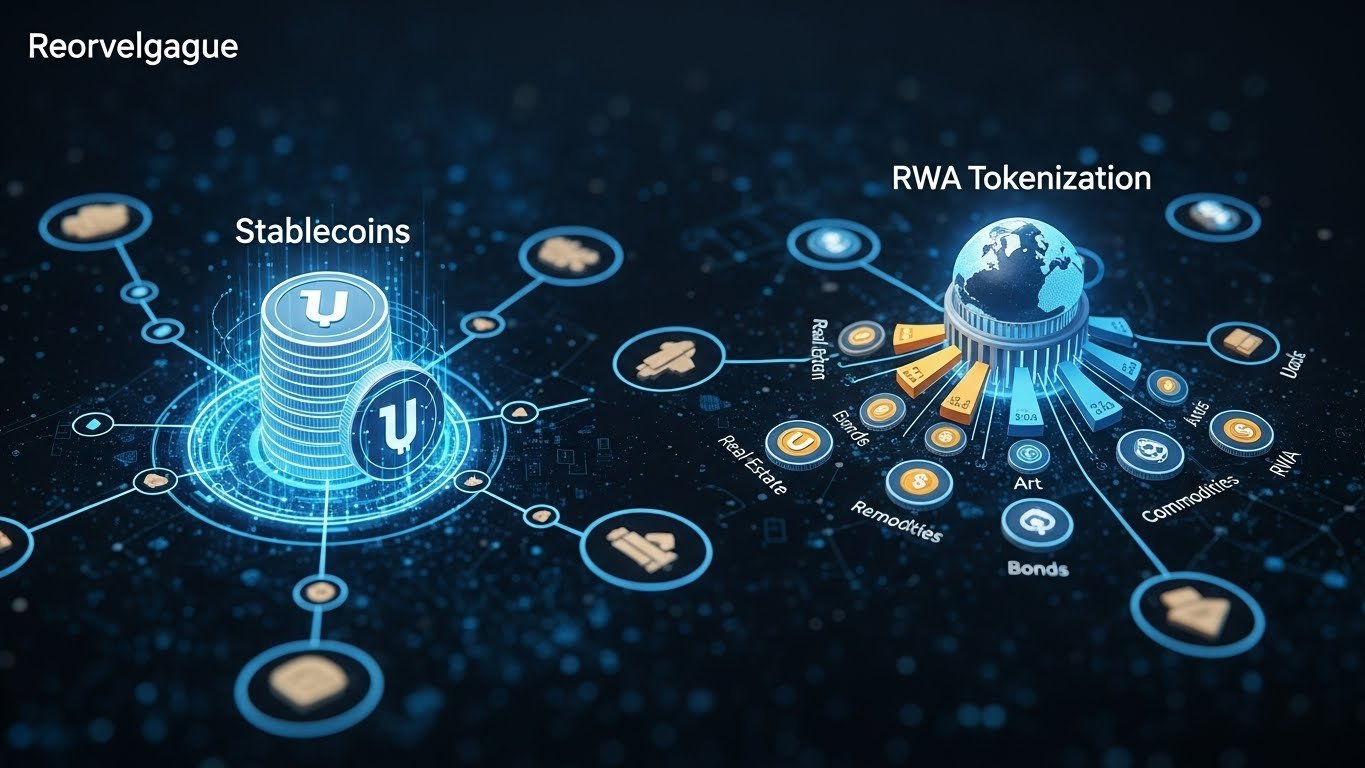
Asia has long been a driving force in the global cryptocurrency ecosystem, and in 2025 the region stands at a regulatory crossroads. As digital assets mature, governments are no longer asking whether crypto should be regulated, but how. At the center of this evolution is a powerful narrative: stablecoins and RWA tokenization shape Asia’s crypto rulebook in 2025 more than any other innovation. Unlike speculative tokens that dominated earlier crypto cycles, stablecoins and real-world asset tokenization address tangible economic needs such as payments, settlement efficiency, and capital market modernization.
Across Asia, policymakers recognize that digital finance can no longer operate in regulatory gray zones. Stablecoins pegged to fiat currencies are increasingly used for cross-border payments, remittances, and on-chain liquidity, while RWA tokenization promises to bring bonds, real estate, commodities, and funds onto blockchains. These developments force regulators to rethink traditional frameworks that were designed for centralized intermediaries rather than decentralized or hybrid financial systems.
The year 2025 represents a pivotal moment. Jurisdictions like Singapore, Hong Kong, Japan, South Korea, and emerging Southeast Asian economies are actively crafting rules that both protect consumers and encourage innovation. The regulatory focus has shifted from broad crypto bans or permissive experimentation to targeted oversight of stablecoins and tokenized assets. This article explores how and why stablecoins and RWA tokenization shape Asia’s crypto rulebook in 2025, the policy philosophies behind these decisions, and what it means for investors, institutions, and the future of digital finance across the region.
Asia’s Regulatory Shift Toward Utility-Driven Crypto
The reason stablecoins and RWA tokenization shape Asia’s crypto rulebook in 2025 is deeply tied to a broader regulatory shift. Asian regulators are increasingly prioritizing utility-driven crypto use cases over speculative trading. After witnessing volatile boom-and-bust cycles, authorities now focus on digital assets that offer clear economic value and systemic benefits.
Stablecoins provide price stability and operational efficiency, making them suitable for payments and settlement. RWA tokenization, on the other hand, aligns closely with existing capital market structures while improving transparency and liquidity. Together, these innovations bridge traditional finance and blockchain technology, making them easier for regulators to integrate into existing legal frameworks.
This pragmatic approach reflects Asia’s economic diversity. From global financial hubs to developing economies reliant on remittances, stablecoins and tokenized assets address real-world challenges. As a result, regulatory clarity around these instruments has become a priority, reshaping how crypto is governed across the region.
The Rising Importance of Stablecoins in Asia
Stablecoins as Payment and Settlement Infrastructure
A key reason stablecoins and RWA tokenization shape Asia’s crypto rulebook in 2025 is the growing role of stablecoins in everyday financial activity. In Asia, cross-border trade and remittances are vital economic lifelines. Traditional banking systems often involve high fees, slow settlement times, and currency conversion risks. Stablecoins offer an alternative that is faster, cheaper, and programmable.
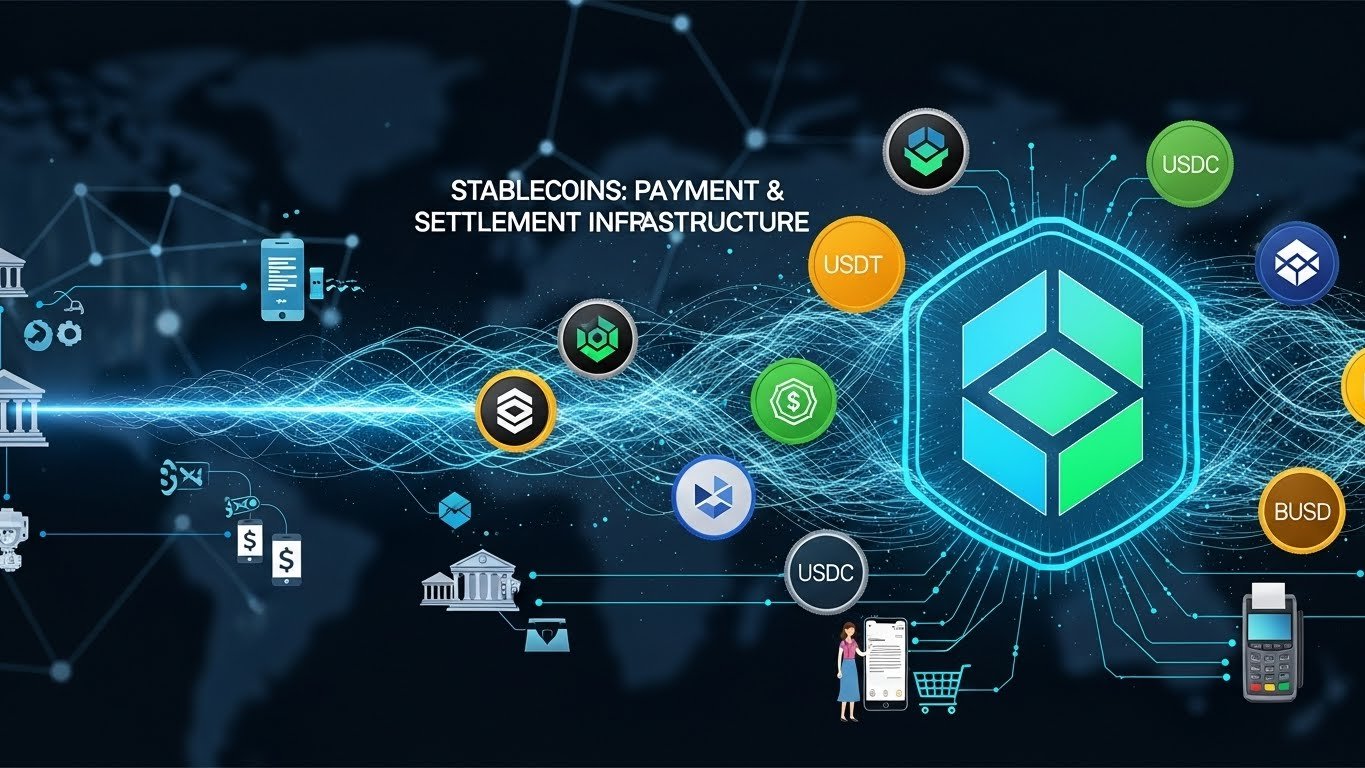
Regulators increasingly view stablecoins as potential infrastructure rather than speculative assets. This perspective drives tailored regulations that focus on reserve backing, transparency, and issuer accountability. By ensuring that stablecoins are fully collateralized and redeemable, authorities aim to protect users while enabling innovation.
Regulatory Focus on Issuers and Reserves
Asian regulators are paying close attention to who issues stablecoins and how reserves are managed. In 2025, licensing regimes across Asia require issuers to meet strict capital, audit, and disclosure standards. This focus reflects lessons learned from past stablecoin failures that undermined trust in the broader crypto market.
By regulating stablecoin issuers similarly to payment institutions or banks, policymakers seek to integrate them into the financial system without compromising stability. This is another reason stablecoins and RWA tokenization shape Asia’s crypto rulebook in 2025, as stablecoins now sit at the intersection of payments, banking, and blockchain.
RWA Tokenization and the Modernization of Capital Markets
Bringing Real-World Assets On-Chain
RWA tokenization is a transformative force that explains why stablecoins and RWA tokenization shape Asia’s crypto rulebook in 2025. Tokenizing real-world assets means representing ownership of physical or financial assets on a blockchain. In Asia, where capital markets are deep but often fragmented, this innovation offers significant advantages.
Tokenized bonds, funds, and real estate enable fractional ownership, faster settlement, and global accessibility. Regulators see this as an opportunity to modernize financial markets while maintaining oversight. Unlike unbacked crypto tokens, RWAs are anchored in legally recognized assets, making them easier to regulate within existing frameworks.
Legal Recognition and Investor Protection
One of the biggest regulatory challenges with RWA tokenization is ensuring legal enforceability. Asian regulators are addressing this by clarifying how tokenized assets relate to underlying legal claims. In 2025, new rules define investor rights, custody requirements, and dispute resolution mechanisms.
This legal clarity reinforces trust and encourages institutional participation. As a result, RWA tokenization becomes a cornerstone of Asia’s crypto rulebook, demonstrating how blockchain can enhance, rather than disrupt, traditional finance.
Singapore’s Leadership in Stablecoin Regulation
Singapore plays a central role in the narrative of how stablecoins and RWA tokenization shape Asia’s crypto rulebook in 2025. The city-state has positioned itself as a global digital asset hub through clear and forward-looking regulation. Its approach to stablecoins emphasizes consumer protection, financial stability, and innovation.
In 2025, Singapore’s framework distinguishes between payment stablecoins and other digital assets. Payment stablecoins must meet stringent reserve and redemption requirements, ensuring they function reliably as digital money. This clarity attracts global issuers and financial institutions seeking a compliant base in Asia.
Singapore also actively supports tokenization initiatives, working with banks and asset managers to pilot tokenized bonds and funds. This coordinated approach shows how regulation can enable real-world adoption without stifling growth.
Hong Kong’s Revival as a Digital Asset Hub
Hong Kong’s renewed embrace of crypto further illustrates why stablecoins and RWA tokenization shape Asia’s crypto rulebook in 2025. After years of regulatory uncertainty, Hong Kong has introduced licensing regimes that encourage institutional-grade crypto activity.
Stablecoins are regulated with a focus on systemic risk and consumer trust, while RWA tokenization is promoted as a way to enhance Hong Kong’s capital markets. By allowing tokenized securities and funds within regulated environments, authorities aim to attract global capital while maintaining financial integrity.
Hong Kong’s strategy highlights a broader Asian trend: embracing digital assets that complement existing financial strengths rather than undermine them.
Japan and South Korea’s Compliance-First Approach
Japan and South Korea offer another perspective on why stablecoins and RWA tokenization shape Asia’s crypto rulebook in 2025. Both countries prioritize strict compliance and investor protection, reflecting lessons from past crypto scandals.
Japan’s stablecoin regulations require issuers to be licensed banks or trust companies, ensuring strong oversight. This conservative approach limits risk while enabling innovation within clear boundaries. RWA tokenization in Japan focuses on securities and funds, aligning closely with existing financial laws.
South Korea similarly emphasizes compliance, with detailed rules on custody, reporting, and consumer protection. While innovation moves cautiously, stablecoins and tokenized assets are increasingly recognized as legitimate financial instruments.
Southeast Asia’s Adoption-Driven Regulatory Models
In Southeast Asia, stablecoins and RWA tokenization shape Asia’s crypto rulebook in 2025 in a different way. Countries like Thailand, Indonesia, the Philippines, and Vietnam face high demand for affordable financial services and cross-border payments.
Stablecoins are widely used for remittances and digital commerce, pushing regulators to formalize oversight rather than restrict use. RWA tokenization is emerging as a tool for infrastructure financing and SME investment, offering new funding channels.
Regulatory models in the region often balance innovation and risk, reflecting economic realities. This diversity adds complexity to Asia’s crypto rulebook but also demonstrates the adaptability of stablecoins and tokenized assets.
The Role of Central Bank Digital Currencies
Central bank digital currencies (CBDCs) are another factor influencing why stablecoins and RWA tokenization shape Asia’s crypto rulebook in 2025. Many Asian central banks are exploring or piloting CBDCs to modernize payment systems.
Rather than replacing stablecoins, CBDCs coexist with them, creating a layered digital money ecosystem. Regulators must define how stablecoins interact with CBDCs, particularly in terms of interoperability and monetary policy. This interaction further drives comprehensive crypto regulations.
RWA tokenization also benefits from CBDC development, as on-chain settlement using central bank money reduces counterparty risk. Together, these innovations reshape regulatory priorities across Asia.
Institutional Adoption and Market Confidence
Institutional adoption reinforces why stablecoins and RWA tokenization shape Asia’s crypto rulebook in 2025. Banks, asset managers, and corporations increasingly use stablecoins for treasury operations and tokenized assets for fundraising and investment.
Regulators respond by creating rules that support institutional-grade infrastructure, including custody standards, reporting requirements, and risk management frameworks. This institutional focus differentiates 2025 from earlier years dominated by retail speculation.
As confidence grows, Asia positions itself as a global leader in compliant digital finance, setting standards that may influence other regions.
Challenges and Risks in Asia’s Crypto Rulebook
Despite progress, challenges remain. The reason stablecoins and RWA tokenization shape Asia’s crypto rulebook in 2025 is also because they raise complex questions about jurisdiction, enforcement, and systemic risk. Cross-border stablecoin flows challenge traditional capital controls, while tokenized assets blur lines between securities and digital tokens.
Cybersecurity risks, operational failures, and regulatory arbitrage remain concerns. Asian regulators address these issues through international cooperation and technology-neutral rules that focus on outcomes rather than specific platforms.
Balancing innovation and stability is an ongoing process, and 2025 represents a milestone rather than an endpoint.
The Future Outlook Beyond 2025
Looking ahead, the influence of stablecoins and RWA tokenization on Asia’s crypto regulations is likely to deepen. As adoption grows, rules will evolve to accommodate new use cases such as programmable finance, on-chain derivatives, and decentralized identity.
Asia’s experience in 2025 may serve as a blueprint for global crypto governance. By focusing on practical utility and regulatory clarity, the region demonstrates how digital assets can integrate into mainstream finance responsibly.
Conclusion
The story of digital assets in Asia is no longer about speculation alone. In 2025, stablecoins and RWA tokenization shape Asia’s crypto rulebook by addressing real economic needs and aligning with regulatory priorities. Stablecoins redefine payments and liquidity, while RWA tokenization modernizes capital markets and expands access to investment opportunities.
Asian regulators have embraced a pragmatic approach, crafting rules that protect consumers, ensure stability, and encourage innovation. From Singapore and Hong Kong to emerging Southeast Asian economies, the focus on stablecoins and tokenized assets reflects a mature understanding of blockchain’s potential.
As the global crypto landscape continues to evolve, Asia’s 2025 crypto rulebook stands as a testament to how thoughtful regulation can transform disruptive technology into sustainable financial infrastructure.
Frequently Asked Questions
Q: Why are stablecoins central to Asia’s crypto regulations in 2025?
Stablecoins support payments, remittances, and liquidity, making them economically important and requiring clear regulatory oversight.
Q: What are real-world asset tokens?
RWA tokens represent ownership or claims on physical or financial assets like bonds, real estate, or commodities on a blockchain.
Q: How does Asia’s approach differ from other regions?
Asia emphasizes utility, institutional adoption, and integration with traditional finance rather than purely speculative crypto activity.
Q: Are stablecoins replacing traditional banking in Asia?
No, stablecoins complement banking systems by improving efficiency, especially in cross-border transactions.
Q: Will Asia’s crypto rulebook influence global regulations?
Yes, Asia’s balanced approach to stablecoins and RWA tokenization may serve as a model for other regions worldwide.
See More: Altcoin Under $0.05 Eyes a 400% Play
