



If you want to invest $10,000 in crypto for 2026, the smartest starting point is not picking a “moonshot.” It’s building a repeatable plan that survives hype, volatility, and the emotional rollercoaster that comes with digital assets. Crypto rewards conviction, but it punishes impulsiveness. The difference between a portfolio that compounds and one that collapses usually comes down to structure: how you allocate, how you enter, how you manage risk, and how you protect your holdings.
A $10,000 portfolio is large enough to diversify meaningfully across Bitcoin, Ethereum, and selected altcoins, yet small enough that mistakes can be expensive. The goal for 2026 shouldn’t be to chase every trend. It should be to create a portfolio that has exposure to long-term adoption while keeping downside survivable. That means building around “core” assets like Bitcoin and Ethereum, then adding “satellite” positions in altcoins that have strong tokenomics, real usage, and clear narratives such as layer-2 scaling, DeFi, and real-world assets.
This analyst-style guide shows you how to invest $10,000 in crypto for 2026 with a practical framework: portfolio design, entry tactics like dollar-cost averaging, choosing altcoins without gambling, security best practices, and a review process that keeps you rational. You’ll see how Bitcoin and Ethereum tend to behave in different market regimes, how to size altcoin positions without blowing up your account, and how to plan for multiple scenarios instead of betting your future on one prediction.
The 2026 Crypto Landscape: What Matters Most
Crypto evolves quickly, but the forces that drive outcomes tend to repeat. When you invest $10,000 in crypto for 2026, you’re positioning for a market that will likely be influenced by three broad factors: liquidity conditions, regulation and infrastructure, and technology adoption.
Liquidity is the hidden engine behind most bull and bear cycles. When liquidity expands, risk assets—including cryptocurrency—often benefit. When it contracts, speculative assets usually suffer first. That’s why an analyst approach focuses less on headlines and more on whether the environment is supportive for risk-taking. Regulation and infrastructure matter because they determine how easily new capital enters the market. Even if you never trade on an institution-friendly platform, the market’s depth and credibility affect volatility and long-term demand.
Finally, adoption is the “slow burn” that compounds. Improvements in user experience, on-chain scaling, cheaper transaction costs, and practical use cases can shift crypto from speculation toward utility. In 2026, the projects most likely to be rewarded are those that can attract users beyond crypto-native circles. When you invest $10,000 in crypto for 2026, you want exposure to assets that benefit from both narratives: store-of-value and growth, stability and innovation.
Setting Your Goals Before You Buy Anything
Before you invest $10,000 in crypto for 2026, define what success looks like. Are you aiming for long-term wealth building, or are you trying to trade a cycle? Your time horizon shapes everything: how volatile your holdings can be, how often you rebalance, and how much you can allocate to high-risk altcoins.
If your horizon is truly through 2026 and beyond, you can prioritize fundamentals and accumulation tactics. That means focusing on crypto portfolio construction and entry discipline rather than perfectly timing the market. If your plan is cycle-based, you still need discipline, but you’ll likely rebalance more aggressively when gains become outsized. Either way, you should decide how much drawdown you can tolerate. Crypto can drop 30%–60% even in broadly bullish phases. If a large dip would force you to sell, you must structure your allocation so you can hold through volatility.
The simplest analyst mindset is this: assume you will be wrong about timing, and build a portfolio that still works. When you invest $10,000 in crypto for 2026, the goal is not predicting every twist; it’s designing a system that keeps you invested when others panic and keeps you cautious when others get greedy.
Core-First Portfolio Design: Bitcoin, Ethereum, Then Altcoins

A resilient way to invest $10,000 in crypto for 2026 is to split your portfolio into core holdings and satellite positions. Core assets are meant to be held through cycles and represent your long-term thesis. Satellite holdings are your higher-upside bets that can be trimmed, rotated, or cut if the narrative breaks.
Why Bitcoin Still Leads the “Core”
Bitcoin is often treated as the benchmark for the entire market. It has the strongest brand, the deepest liquidity, and a track record of surviving multiple boom-bust cycles. When you invest $10,000 in crypto for 2026, Bitcoin can serve as your portfolio’s anchor because it tends to be less fragile than smaller tokens during risk-off phases. That doesn’t mean it’s “safe” in the traditional sense—Bitcoin can be brutally volatile—but it is relatively resilient within crypto.
Analysts often view Bitcoin as a store of value narrative paired with network effects. It can benefit when investors seek a simpler, more established crypto exposure. In many cycles, Bitcoin also tends to move first, then capital rotates into Ethereum and later into altcoins. If that pattern continues, holding Bitcoin can keep you positioned early while you evaluate riskier opportunities later.
Why Ethereum Is the Growth Engine
Ethereum is the most important programmable platform in crypto, powering much of DeFi, NFTs, stablecoin settlement, and app development. When you invest $10,000 in crypto for 2026, Ethereum offers exposure to innovation and network activity, not just scarcity. Ethereum’s value is often connected to its ecosystem—developers, applications, and scaling improvements.
In practical terms, Ethereum can provide a different type of upside than Bitcoin. Bitcoin is a simpler monetary asset thesis; Ethereum is closer to an economic base layer for apps and finance. That complexity brings risk, but it also creates multiple ways for adoption to translate into value. For a 2026-focused plan, Ethereum can be the “growth core” that complements Bitcoin’s “stability core.”
A Sample Allocation Framework for $10,000
When you invest $10,000 in crypto for 2026, you don’t need a complicated allocation to be effective. You need a logical one. A common analyst-style approach is to keep the majority in Bitcoin and Ethereum, then allocate a smaller portion to carefully chosen altcoins. The exact percentages depend on your risk tolerance, but the principle stays the same: your core should be large enough that your plan doesn’t collapse if altcoins underperform.
Many investors make the mistake of over-allocating to small caps because they sound exciting. But in real markets, conviction is built by holding through drawdowns. A core-heavy allocation helps you stay invested long enough to let the cycle work. Meanwhile, a measured altcoin sleeve gives you upside participation without turning your portfolio into a lottery ticket.
If you want to invest $10,000 in crypto for 2026 with a balanced risk posture, think in “tiers.” Tier one is Bitcoin, tier two is Ethereum, and tier three is altcoins separated into high-conviction and speculative. This keeps your decision-making clear: you don’t treat a promising but volatile altcoin the same way you treat Bitcoin.
How to Enter the Market: Lump Sum vs Dollar-Cost Averaging
Entry strategy matters more than most people admit, because it affects your psychology. If you invest $10,000 in crypto for 2026 all at once and the market drops next week, you might panic and abandon the plan. If you spread entries too slowly and the market runs, you might chase higher prices and abandon discipline.
The Analyst’s Middle Ground
A practical approach is to invest a portion immediately to get exposure, then deploy the rest using dollar-cost averaging over several weeks or months. This reduces regret risk. You’re not betting everything on a single day, but you’re also not sitting on the sidelines forever. For many people trying to invest $10,000 in crypto for 2026, this hybrid method is emotionally sustainable, which is a big deal because sustainable beats perfect.
DCA also encourages consistent behavior. Instead of obsessing over daily candles, you focus on execution. Over time, execution tends to beat “genius” predictions. The key is to choose a schedule and stick to it, especially when headlines scream panic or euphoria.
How to Choose Altcoins Without Gambling
Altcoins are where many portfolios either outperform or implode. When you invest $10,000 in crypto for 2026, altcoins should be chosen with stricter standards than your core holdings. You’re taking more risk, so you need more evidence.
A useful filter is to examine the project’s purpose, adoption signals, and tokenomics. Purpose means the project solves a real problem or captures a real narrative such as layer-2 scaling, interoperability, or decentralized computing. Adoption signals can include active users, developer activity, integrations, and whether the community is organic rather than purely incentive-driven. Tokenomics means you understand supply, emissions, vesting schedules, and whether holders are being diluted over time.
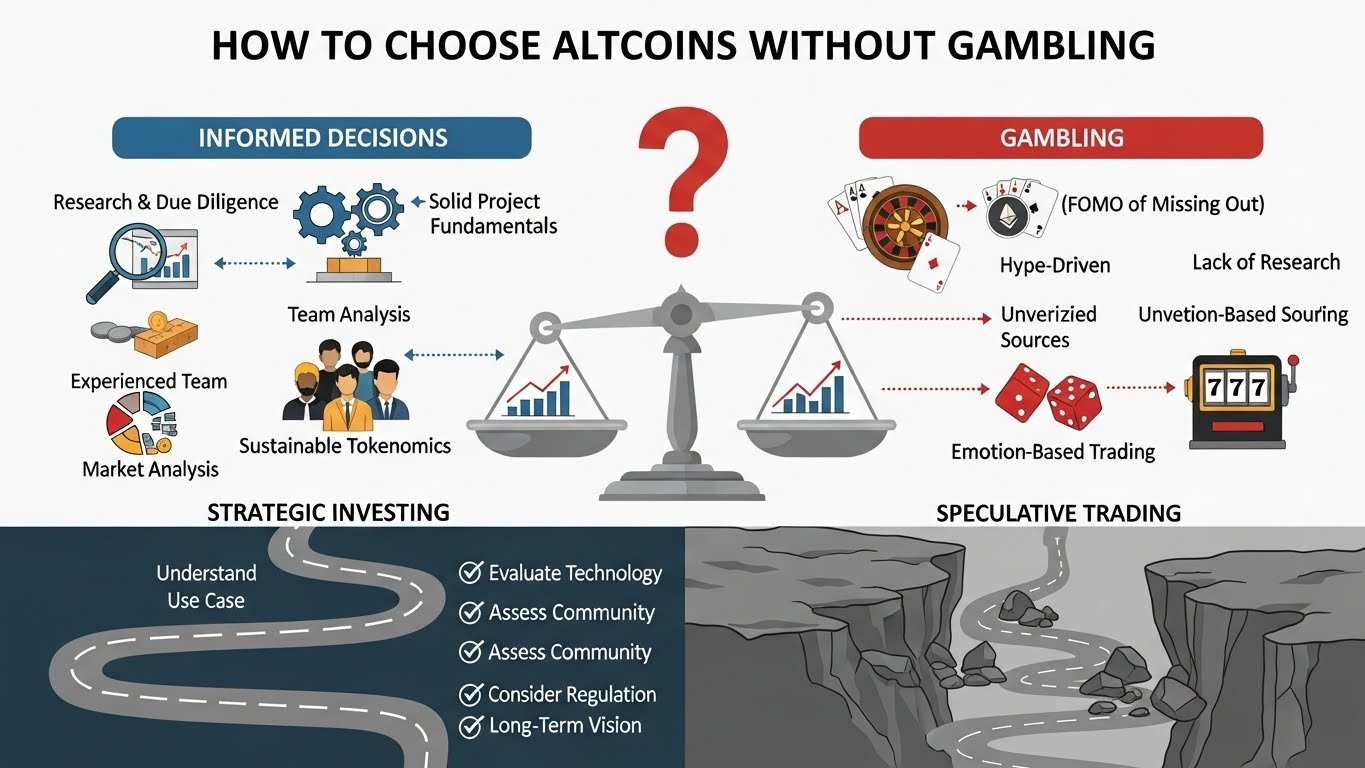
If a token’s only story is “it will pump,” it’s not an investment thesis. An analyst approach treats altcoins as asymmetric bets, but still demands rational reasons. When you invest $10,000 in crypto for 2026, your edge isn’t secret information; it’s patience and selectivity.
The “Narrative Basket” Approach
Instead of trying to pick one perfect altcoin, some investors allocate across a few narratives. For 2026, narratives that often matter include layer-2 scaling (helping Ethereum handle more activity cheaply), DeFi infrastructure (lending, trading, liquidity), and “picks-and-shovels” projects that provide tools rather than single apps. The goal is to avoid concentrating your entire altcoin sleeve into one fragile idea.
Still, diversification is not a substitute for quality. Owning ten weak projects is not safer than owning three strong ones. If you invest $10,000 in crypto for 2026, you want fewer positions you understand well rather than many you can’t explain.
Risk Management: The Part Most People Skip
A plan without risk management is just a wish. When you invest $10,000 in crypto for 2026, you need rules for what happens if you’re wrong. This doesn’t mean constant trading. It means setting boundaries: position sizing, rebalancing logic, and guardrails against emotional decisions.
Position sizing is the first defense. The more uncertain the asset, the smaller the position should be. Rebalancing is the second defense. If one asset skyrockets and becomes too large a portion of your portfolio, you trim it back to your target. This forces you to “sell some greed” and “buy some fear” automatically.
The most underrated risk is not market volatility; it’s personal behavior. Overtrading, revenge trading, and chasing trends at the top destroy returns. An analyst-style plan makes it hard to do dumb things quickly. If you invest $10,000 in crypto for 2026, your goal is to stay in the game long enough for compounding to work.
Security and Custody: Protecting Your $10,000
Security is non-negotiable. If you invest $10,000 in crypto for 2026, you’re responsible for safeguarding assets that can’t be reversed like credit card payments. The biggest security mistakes are basic: weak passwords, reused emails, SIM-swap risk, and storing too much on exchanges.
A cold wallet (hardware wallet) is often the standard for long-term holdings, especially Bitcoin and Ethereum. Keeping assets in self-custody reduces counterparty risk, although it adds responsibility. If you choose self-custody, you must protect seed phrases, avoid sharing sensitive information, and use strong authentication everywhere.
For many investors, a blended approach works: keep long-term core holdings in a cold wallet and keep only what you need for trading or staking on reputable platforms. When you invest $10,000 in crypto for 2026, think like a risk manager: the goal is not convenience, it’s survival.
Staking, Yield, and Passive Strategies: What’s Realistic
Crypto yield can be real, but it can also be marketing. If you invest $10,000 in crypto for 2026 and want passive income, understand where yield comes from. Some yield comes from network incentives like staking. Some comes from lending markets. Some comes from risky structures that collapse when markets turn.
Staking can be a straightforward way to earn rewards on certain assets, but it’s not risk-free. There can be lockups, smart contract risks, and price risk. The yield won’t matter if the token drops significantly. Lending yield can also vary widely depending on market demand, and it can carry liquidation or platform risk.
The analyst approach is to treat yield as a bonus, not the core thesis. If the only reason you own an asset is the yield, you might be ignoring the bigger risk. When you invest $10,000 in crypto for 2026, prioritize asset quality first, then consider yield opportunities that don’t compromise your security or flexibility.
Rebalancing and Monitoring: A Simple Routine That Works
If you want to invest $10,000 in crypto for 2026 like an analyst, create a review routine. Not daily, not hourly—periodic. Monthly check-ins are often enough for long-term investors. During a check-in, you ask: has anything materially changed about Bitcoin’s role, Ethereum’s ecosystem health, or the thesis behind each altcoin?
Rebalancing can be calendar-based or threshold-based. Calendar-based rebalancing happens on a schedule. Threshold-based rebalancing happens when an asset drifts too far from your target allocation. Either method can work, but the point is consistency. When your winners run, you prevent them from turning your portfolio into a one-asset gamble. When your laggards drop, you decide whether the thesis is intact or broken.
This routine makes it easier to invest $10,000 in crypto for 2026 without letting emotions drive decisions. You’re not reacting to noise; you’re responding to changes in fundamentals and allocation drift.
Taxes, Fees, and Friction Costs You Shouldn’t Ignore
Crypto returns can be heavily affected by friction. If you invest $10,000 in crypto for 2026, pay attention to trading fees, spreads, network fees, and taxes. Excessive trading can create taxable events and reduce compounding. Even if you are profitable, churn can leak value quietly.
Tax rules vary by country, but the principle is universal: track your transactions and understand the impact of selling, swapping, or earning rewards. Many investors underestimate how quickly complexity grows when they trade frequently across multiple wallets and platforms. If you want an analyst-level approach, you treat record-keeping as part of the strategy, not an afterthought.
Scenario Planning for 2026: What If You’re Right, Wrong, or Early?
The cleanest way to invest $10,000 in crypto for 2026 is to prepare for multiple outcomes. In a bullish scenario, your main risk is getting euphoric and abandoning risk controls. That’s where rebalancing and profit-taking rules matter. In a bearish scenario, your main risk is panic selling at the bottom. That’s where a core-heavy allocation and DCA discipline help.
There’s also a third scenario: you’re early. The market may chop sideways, confuse you, and make you doubt your plan. Early investors often quit right before the move. Scenario planning keeps you steady because you’re not relying on one timeline.
Analysts don’t pretend to know the future. They build portfolios that can survive the future. If you invest $10,000 in crypto for 2026 with scenario planning, you reduce the chance that one bad month ruins the entire plan.
Conclusion
To invest $10,000 in crypto for 2026 successfully, you don’t need perfect timing or secret picks. You need a structure that balances conviction with humility. Build around Bitcoin and Ethereum as core holdings, use a measured altcoin sleeve for asymmetric upside, and enter with a plan that protects your mindset—often a hybrid of initial exposure and dollar-cost averaging. Treat security as mandatory, treat yield cautiously, and use simple rebalancing rules to keep your portfolio aligned with your goals.
If you can stay consistent while others swing between fear and greed, you give yourself the real edge in crypto: the ability to remain invested long enough for adoption and cycles to play out.
FAQs
Q: Is it still smart to invest $10,000 in crypto for 2026 if prices feel “high”?
It can be smart to invest $10,000 in crypto for 2026 even when prices feel high if you use a disciplined entry method like dollar-cost averaging and build a core-first portfolio. The bigger danger is going all-in emotionally, then selling on the first big dip.
Q: How much of my $10,000 should go into altcoins?
If you invest $10,000 in crypto for 2026, a conservative approach keeps altcoins as a smaller satellite allocation compared to Bitcoin and Ethereum. The exact share depends on your risk tolerance, but the guiding principle is that altcoins should not be able to wreck your plan if they underperform.
Q: Should I hold crypto on an exchange or move it to a wallet?
For long-term holdings, many investors who invest $10,000 in crypto for 2026 prefer moving core assets to a cold wallet to reduce counterparty risk. Some keep a smaller amount on an exchange for convenience, but the safest posture is usually minimizing exchange exposure.
Q: Does staking make sense for a 2026-focused strategy?
Staking can make sense as an add-on, but it shouldn’t be the main reason you own an asset. If you invest $10,000 in crypto for 2026, staking can help you accumulate more units over time, but you still face price risk and potential platform or smart contract risk.
Q: What’s the biggest mistake people make when they invest $10,000 in crypto for 2026?
The most common mistake is over-allocating to hype-driven altcoins and abandoning risk management. When you invest $10,000 in crypto for 2026, a core-first allocation, secure custody, and a calm rebalancing routine usually outperform emotional decision-making over time.
