


Can blockchain counterfeit tracking stop fake goods across Asia? Explore supply chain transparency, digital IDs, adoption barriers, and real solutions. Counterfeit goods in Asia are often discussed as a consumer nuisance—knockoff handbags, fake sneakers, imitation cosmetics—but the real crisis runs deeper. Counterfeiting affects public health through fake medicines and diluted supplements, undermines safety through counterfeit auto parts and electronics, damages brand trust, and siphons tax revenue from governments. It also distorts legitimate competition for small manufacturers who can’t fight copycats at scale. The supply chains that power Asia’s manufacturing dominance are fast, complex, and often multi-layered, and that complexity is exactly what counterfeiters exploit. A counterfeit product doesn’t need to look perfect; it only needs to slip through the cracks of fragmented recordkeeping, inconsistent labeling standards, and limited cross-border coordination.
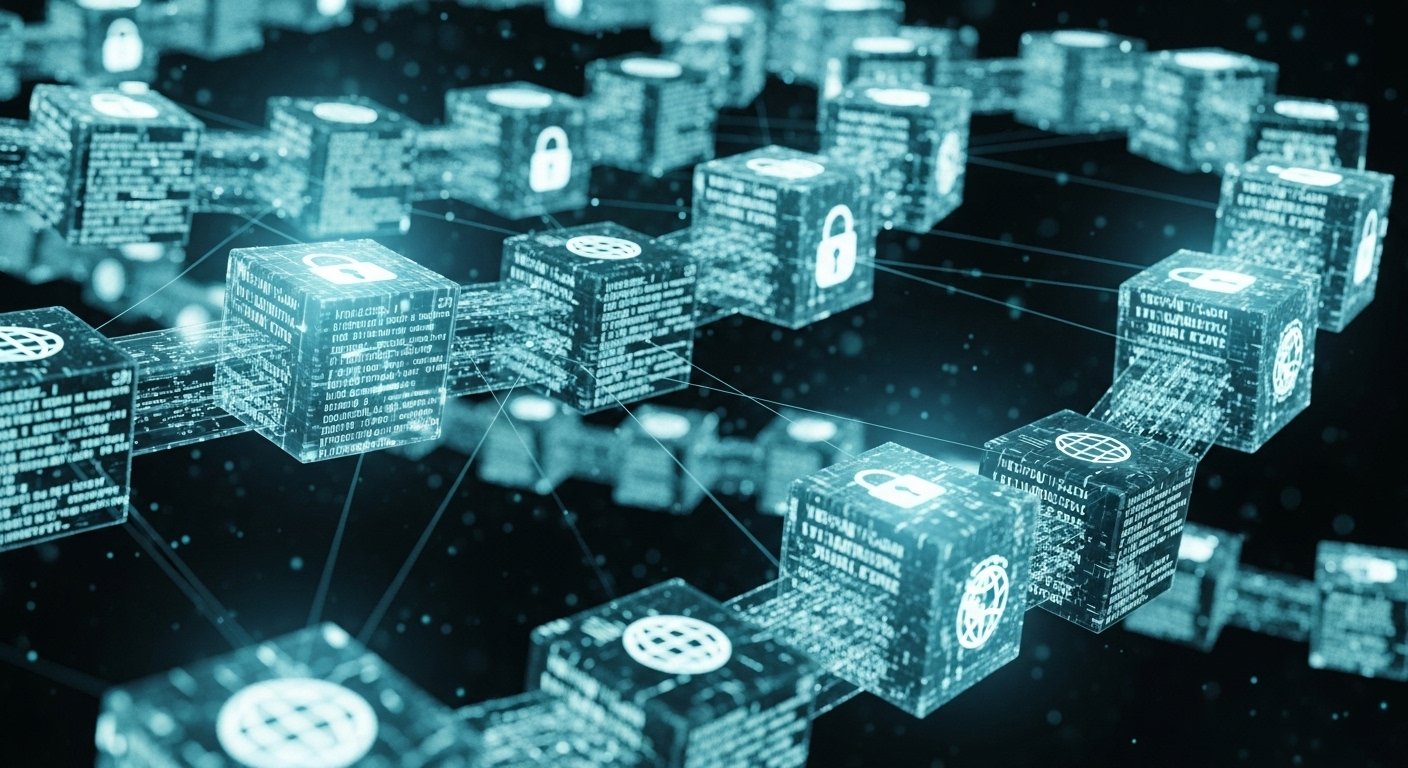
This is where the concept of blockchain counterfeit tracking enters the conversation. Blockchain is often marketed as a silver bullet: an immutable ledger that records product origins, movements, and ownership changes in a tamper-resistant way. In theory, a consumer could scan a QR code, an inspector could verify a shipment instantly, and a brand could trace a product’s full journey—from factory to warehouse to retailer—without relying on paper invoices or siloed databases that can be forged. If that sounds like the missing piece, you’re not alone; governments, enterprises, and logistics firms across the region have explored blockchain as a way to build trust where trust is currently expensive.
The Counterfeit Crisis Isn’t Just a “Fake Bag” Problem
But the real question isn’t whether blockchain is impressive technology. The real question is whether blockchain counterfeit tracking can work in messy reality—where suppliers change frequently, standards vary by country, small factories operate with thin margins, and counterfeiters constantly adapt. Asia’s counterfeit goods crisis is both a technology problem and a human problem: incentives, compliance, corruption, enforcement capacity, and consumer behavior all shape outcomes. Blockchain can strengthen verification, but it cannot force honesty at the point of entry, and it cannot magically fix gaps in inspection or governance.
This article takes a practical, detailed look at whether blockchain counterfeit tracking can finally help solve Asia’s counterfeit goods crisis. We’ll explore how counterfeits spread, why existing systems fail, how blockchain can strengthen supply chain transparency, where it struggles, what complementary technologies are required, and what realistic implementation looks like for brands, governments, and marketplaces.
Why Asia’s Counterfeit Goods Crisis Is So Hard to Solve
Asia’s counterfeit challenge persists because counterfeiting is not a single crime with a single pathway. It is an ecosystem. Counterfeiters exploit weaknesses in manufacturing oversight, logistics handoffs, informal markets, and even legitimate distribution channels. Many counterfeits are produced near legitimate manufacturing hubs, making it difficult to distinguish real and fake goods by geography alone. In some product categories—like electronics accessories or beauty products—fake goods move so quickly that enforcement agencies are always reacting to what happened yesterday.
A second factor is fragmentation. Asia is not one market; it is many markets with different customs processes, labeling rules, enforcement capabilities, and consumer protections. Counterfeit networks take advantage of these differences by routing goods through jurisdictions with weaker checks, then re-exporting to larger markets. If data is stored in disconnected systems and paperwork is easy to forge, the chain of custody becomes unreliable.
A third factor is incentive. Many participants in a supply chain operate under cost pressure. If verifying authenticity adds friction or cost, some businesses will avoid it unless there are meaningful penalties or clear upside. This incentive gap is exactly why blockchain counterfeit tracking must be designed as a business solution, not just a technical one.
What Blockchain Can Actually Do for Counterfeit Tracking
The strongest value of blockchain is not “crypto” or speculation. It’s the ability to create a shared, tamper-resistant record across multiple parties who don’t fully trust one another. In counterfeit prevention, the goal is to verify product identity and trace its journey. Blockchain counterfeit tracking aims to make it harder for counterfeit goods to “blend in” by improving proof of origin and proof of movement.
Immutable Product History and Chain of Custody
When a product is created, it can be assigned a digital identity. That identity can be linked to production data, batch numbers, and authorized distribution partners. As the product moves through the supply chain, each handoff can be recorded. The result is a visible chain of custody that is difficult to alter retroactively without leaving evidence. This matters because counterfeit operations often rely on re-labeling, document forgery, or “grey market” mixing where genuine and fake items are shipped together.
With blockchain counterfeit tracking, a retailer can verify whether a shipment came through authorized nodes. A regulator can spot suspicious gaps. A consumer can validate that the item’s story matches what the brand considers legitimate.
Shared Verification Across Borders
Counterfeits often move across borders in stages. Blockchain systems can be accessed by multiple stakeholders: manufacturers, logistics companies, customs agencies, distributors, and marketplaces. This shared access helps reduce the classic problem where each organization has its own database and no one sees the full picture. Blockchain counterfeit tracking becomes more valuable when it reduces duplication of verification and speeds up checks at points of risk.
Faster Recalls and Better Incident Response
Even with strong systems, some counterfeits slip through. The difference between “manageable” and “crisis” is often response speed. When supply chain records are unified, brands can identify affected batches, locate where they were shipped, and respond before harm spreads. In categories like pharmaceuticals, baby products, and food, blockchain counterfeit tracking can support faster, targeted interventions instead of blanket recalls that destroy trust and waste money.
Why Blockchain Alone Won’t Stop Counterfeits
Blockchain can make records harder to change, but it can’t guarantee the records are true when they are first entered. This is the core limitation. If someone records false information at the start, the blockchain faithfully preserves that falsehood forever. That’s why many experts say blockchain solves the “tampering” problem more than the “truth” problem. For blockchain counterfeit tracking to work, the system must reliably connect the physical product to the digital record.
The Physical-to-Digital Link Is the Real Battlefield
Counterfeiters don’t need to hack a blockchain. They can copy a QR code, replicate packaging, or reuse legitimate identifiers. If a digital ID is easy to clone, the blockchain record becomes less useful. Effective blockchain counterfeit tracking requires secure identifiers that are difficult to replicate and that can detect duplication.
Garbage In, Garbage Out Still Applies
Supply chain participants may enter incorrect data by mistake or on purpose. If a manufacturer logs an incorrect batch, or a distributor misreports a handoff, the ledger becomes less trustworthy. In many industries, compliance depends on training, audits, and incentives. Blockchain does not replace governance; it amplifies governance. If governance is weak, blockchain counterfeit tracking may look impressive but deliver limited impact.
Adoption Is Hard When Supply Chains Are Huge
Asia’s supply chains include mega-factories and micro-suppliers. A system that works only for the top tier is vulnerable at the edges where counterfeit insertion happens. If small suppliers lack tools or motivation to participate, gaps remain. A realistic blockchain counterfeit tracking rollout must offer low-cost onboarding, simple interfaces, and clear benefits for every layer of the chain.
The Technologies That Make Blockchain Counterfeit Tracking Work
Blockchain becomes truly effective when it’s part of a broader authenticity stack. The best approach is not “blockchain vs. everything.” It’s blockchain plus strong identifiers, sensors, and analytics.
Secure Digital IDs: NFC, RFID, and Tamper-Evident Tags
NFC chips, RFID labels, and tamper-evident seals can tie a physical item to a digital identity. When a product is scanned, the system can verify whether the ID is valid, whether it has been scanned in suspicious locations, or whether it appears duplicated. This strengthens blockchain counterfeit tracking by making it harder for counterfeiters to reuse the same identity across many fake items.
IoT Sensors for High-Risk Categories
For pharmaceuticals, food, and medical supplies, sensors can record environmental conditions such as temperature and humidity. If a shipment is exposed to unsafe conditions, it may be compromised even if it’s not counterfeit. Combining IoT with blockchain counterfeit tracking can create a fuller integrity record that protects both authenticity and safety.
AI and Anomaly Detection
Once supply chain events are recorded consistently, analytics can detect patterns that humans miss. For example, repeated scans of the same product ID in different cities within hours could indicate code cloning. Unusual routing patterns could signal diversion. These insights increase the practical value of blockchain counterfeit tracking by turning records into actionable intelligence.
Where Blockchain Counterfeit Tracking Fits Best in Asia
Not every industry benefits equally. The highest impact tends to come where authenticity directly affects safety, brand trust, and regulatory compliance.
Pharmaceuticals and Healthcare Supply Chains
Fake medicines are a high-stakes issue. Patients can be harmed, and public confidence collapses quickly. Healthcare supply chains also have strong incentives for traceability, making them a natural match for blockchain counterfeit tracking—especially when combined with secure packaging IDs and verified distribution channels.
Luxury Goods and Premium Consumer Brands
Luxury brands are frequent targets of counterfeiting. They also have margins that can support advanced authentication solutions. In these categories, blockchain counterfeit tracking can be consumer-facing: buyers scan an item to confirm authenticity, ownership, and provenance. This can add value beyond anti-counterfeit by supporting resale markets with verifiable history.
Electronics, Auto Parts, and Industrial Components
Counterfeit components can cause failures and safety hazards. These supply chains often involve many intermediaries, which increases risk. Blockchain counterfeit tracking can help companies validate suppliers, confirm part origin, and reduce exposure to counterfeit insertion.
Food, Agriculture, and Cross-Border Trade
Food fraud and mislabeling are persistent problems. While not all food issues are counterfeits, traceability helps verify origin claims and supply chain integrity. Blockchain counterfeit tracking can support consumer trust and regulatory compliance, especially for premium exports and import-sensitive categories.
Implementation Reality: What It Takes to Make It Work
A blockchain pilot is easy. A real rollout is hard. Success depends on designing for incentives, not just technology.
Incentives and Shared Value
Suppliers must benefit from participation. That benefit can be faster payments, preferred partner status, easier compliance reporting, or access to premium contracts. If blockchain adds workload without reward, adoption will stall. Effective blockchain counterfeit tracking programs include clear “what’s in it for me” value for each participant.
Standards, Interoperability, and Governance
If every brand uses a different system, the ecosystem becomes fragmented again. Asia’s trade networks need systems that can interoperate across platforms and jurisdictions. Governance must define who can write data, who can verify it, how disputes are handled, and how audits occur. Without governance, blockchain counterfeit tracking risks becoming another silo.
Consumer Experience Must Be Simple
If you expect consumers to verify products, the experience must be effortless. One scan, clear result, and meaningful explanation. Confusing interfaces or technical jargon reduces usage. When consumers trust and use verification tools, counterfeiters lose an important advantage. This is where blockchain counterfeit tracking can create visible value, but only if the user journey is frictionless.
Can Blockchain Finally Solve the Crisis?
Blockchain can be a major part of the solution, but it won’t “solve” counterfeiting alone. The crisis is too adaptive, too incentive-driven, and too dependent on enforcement. What blockchain can do is shift the economics. If authenticity verification becomes easier and cheaper for legitimate actors, and harder and riskier for counterfeiters, the balance changes.
The most realistic outcome is not the total elimination of counterfeits. It’s a meaningful reduction in high-risk categories, better detection in mainstream categories, and faster response when fraud occurs. In that sense, blockchain counterfeit tracking can be transformative—especially when paired with secure identifiers, analytics, and coordinated enforcement.
Conclusion
Asia’s counterfeit goods crisis thrives on fragmentation, weak traceability, and cheap deception. Blockchain offers something valuable: a shared, tamper-resistant record that improves transparency across complex supply chains. But the success of blockchain counterfeit tracking depends on the physical-to-digital link, strong governance, and broad adoption across every layer of the chain—not just the biggest players.
If implemented thoughtfully, blockchain can make counterfeiting harder to scale, easier to detect, and less profitable. The real win is not a perfect world without fakes. The win is a supply chain where trust is measurable, verification is simple, and counterfeiters face increasing friction at every step. For many industries in Asia, that shift could be the most meaningful progress in decades.
FAQs
Q: Can blockchain counterfeit tracking eliminate fake goods completely?
No. Blockchain counterfeit tracking can reduce counterfeiting significantly, but it works best as part of a broader system that includes secure IDs, audits, and enforcement.
Q: What’s the biggest weakness of blockchain counterfeit tracking?
The main weakness is the physical-to-digital link. If counterfeiters can copy product identifiers or fake input data, the blockchain record alone won’t guarantee authenticity.
Q: Which industries in Asia benefit most from blockchain counterfeit tracking?
Pharmaceuticals, luxury goods, electronics, auto parts, and premium food supply chains often benefit most because authenticity directly affects safety, trust, and regulation.
Q: How do consumers use blockchain counterfeit tracking?
Typically by scanning a QR code or NFC tag to verify authenticity, product origin, and distribution history. The system must be simple and trustworthy to gain adoption.
Q: What else is needed besides blockchain to fight counterfeits?
Secure packaging identifiers (NFC/RFID), IoT tracking for sensitive goods, AI anomaly detection, strong governance, and coordinated enforcement all strengthen blockchain counterfeit tracking outcomes.
