



Iran holds $500M in USDT sounds simple, but it points to a much larger shift in how money can move across borders. USDT is a stablecoin, often described as “digital dollars,” because it is designed to stay close to the value of the US dollar. When a country holds a large amount of USDT, it is not only making a crypto-related choice. It may be building a new way to pay for imports, settle trade invoices, and protect its ability to access dollar-like liquidity when traditional financial routes are slow, expensive, or restricted.
To understand why Iran holds $500M in USDT, it helps to think about real-world trade problems. Importers need to pay suppliers on time or shipments do not leave the port. Exporters want predictable payment that does not lose value between contract signing and settlement. Businesses also want a unit of account that feels stable, especially when local currency conditions are uncertain. In many parts of the world, stablecoins have become a practical tool for these needs. They offer fast settlement, global portability, and the ability to move value without relying on every step of the traditional banking chain.
At the same time, the claim Iran holds $500M in USDT brings tough questions. How would such a reserve be used? Can stablecoins really help trade and currency support? What happens if the issuer restricts funds? And what risks come with relying on a centralized stablecoin?
This article explains the strategy in a clear, easy-to-read way. You will also see Bold LSI keywords and related phrases included naturally, so the content remains SEO-friendly without feeling forced.
What USDT Is and Why It Matters in Global Trade
USDT is a stablecoin that aims to maintain a 1:1 value with the US dollar. In simple terms, it is a way to hold and transfer dollar-like value on a blockchain. Unlike Bitcoin, which can rise and fall sharply in price, USDT is meant to stay stable. That stability is exactly why it is often used for payments and settlement.
When people say Iran holds $500M in USDT, the key point is not only the size of the holding. The key point is the function. USDT can act like a digital version of dollars that can be moved quickly. It can also be used for cross-border payments, especially when two parties agree to settle in USDT instead of using slow bank transfers.
Another reason USDT matters is liquidity. USDT is widely traded, which means it can usually be exchanged or transferred without major delays. When Iran holds $500M in USDT, it suggests the reserve is intended to be usable, not just symbolic.
Why Iran Holds $500M in USDT for Trade
Trade is one of the strongest reasons to build a stablecoin reserve. Many trade flows are priced in dollars even when neither side is in the United States. That reality makes dollar-pegged assets useful.
When Iran holds $500M in USDT, it may be looking for a settlement tool that behaves like dollars but moves like crypto. This can support trade in several practical ways.
Faster payments for imports and suppliers
Traditional international transfers can take days. They may also pass through multiple intermediaries, which increases costs and delays. For trade, delays can become expensive. Goods may sit in storage, ships may miss schedules, and suppliers may demand higher prices due to uncertainty.
A stablecoin can reduce that friction. If Iran holds $500M in USDT, it can potentially send payments faster to suppliers who accept USDT. This means a transaction can be settled in minutes rather than days, depending on the blockchain network and the payment route used.
A shared settlement unit for regional trade
Many trade partners prefer settlement in something stable. USDT often becomes a neutral option because it tracks the dollar and is widely recognized. If Iran holds $500M in USDT, it may be positioning itself to settle invoices in a format that is easy for partners to accept and easy for them to convert later.
This is one reason stablecoins are often tied to trade finance discussions. Even when banks are involved, stablecoins can sometimes act as a bridge between different financial systems.
Predictable pricing for long contracts
Trade contracts are often agreed weeks in advance. If exchange rates move during that time, the buyer or seller can lose money. A stable reserve can reduce that problem. When Iran holds $500M in USDT, it can match future dollar-priced obligations with a dollar-pegged asset, helping keep costs more predictable.
How Iran Holds $500M in USDT Could Support Currency Needs
Beyond trade, a large USDT reserve can also be linked to currency support. Countries usually rely on foreign reserves to manage shocks. Traditionally, that includes dollars, euros, gold, or other assets. USDT is different, but it can still act as a form of dollar-linked liquidity.
When Iran holds $500M in USDT, it may be aiming to keep a flexible reserve that can be deployed quickly when needed.
A liquidity cushion during stress
In times of uncertainty, demand for dollars often rises. Businesses and households may seek stable value. A digital dollar reserve can provide a cushion in some channels. If Iran holds $500M in USDT, it may reduce pressure by offering a way to meet certain settlement needs without waiting for slow international banking routes.
This does not automatically mean USDT is being used to “peg” the currency. Instead, it can be used to keep trade and essential payments moving during difficult periods.
Supporting import stability
Imports are critical for many industries. If import payments become difficult, shortages can appear and prices can rise. If Iran holds $500M in USDT, it can potentially support import settlement in ways that reduce disruption. That stability can have indirect effects on domestic price levels.
Strengthening confidence in payment capacity
Confidence matters in currency markets. When markets believe authorities can meet key obligations, pressure may ease. The message that Iran holds $500M in USDT could influence perceptions by showing access to a large pool of dollar-like value that can move quickly.
How a USDT Reserve Can Be Used in Real Transactions
It is helpful to go beyond theory and talk about how a large stablecoin reserve could be used in practice. When Iran holds $500M in USDT, there are several realistic deployment paths.
Direct settlement with counterparties
If a supplier accepts USDT, payment can be made directly. The supplier may then hold USDT, convert it to local currency, or use it to pay others. In many business networks, USDT is already treated as a practical settlement tool.
So when Iran holds $500M in USDT, direct settlement becomes one possible use, assuming both sides are willing and able to transact.
OTC routes for large-scale transfers
For very large transactions, open exchanges are not always ideal. Big trades can cause price slippage. That is why many large transactions use OTC trading channels. If Iran holds $500M in USDT, OTC routes may help execute large settlements with more stable pricing and controlled counterparties.
Treasury management and staged payments
Not every invoice is paid in one go. Some are split across milestones. USDT reserves allow staged payments in a stable unit. When Iran holds $500M in USDT, it can allocate amounts for specific obligations and keep them separate for governance and monitoring.
Benefits of Holding USDT for Trade and Currency Support
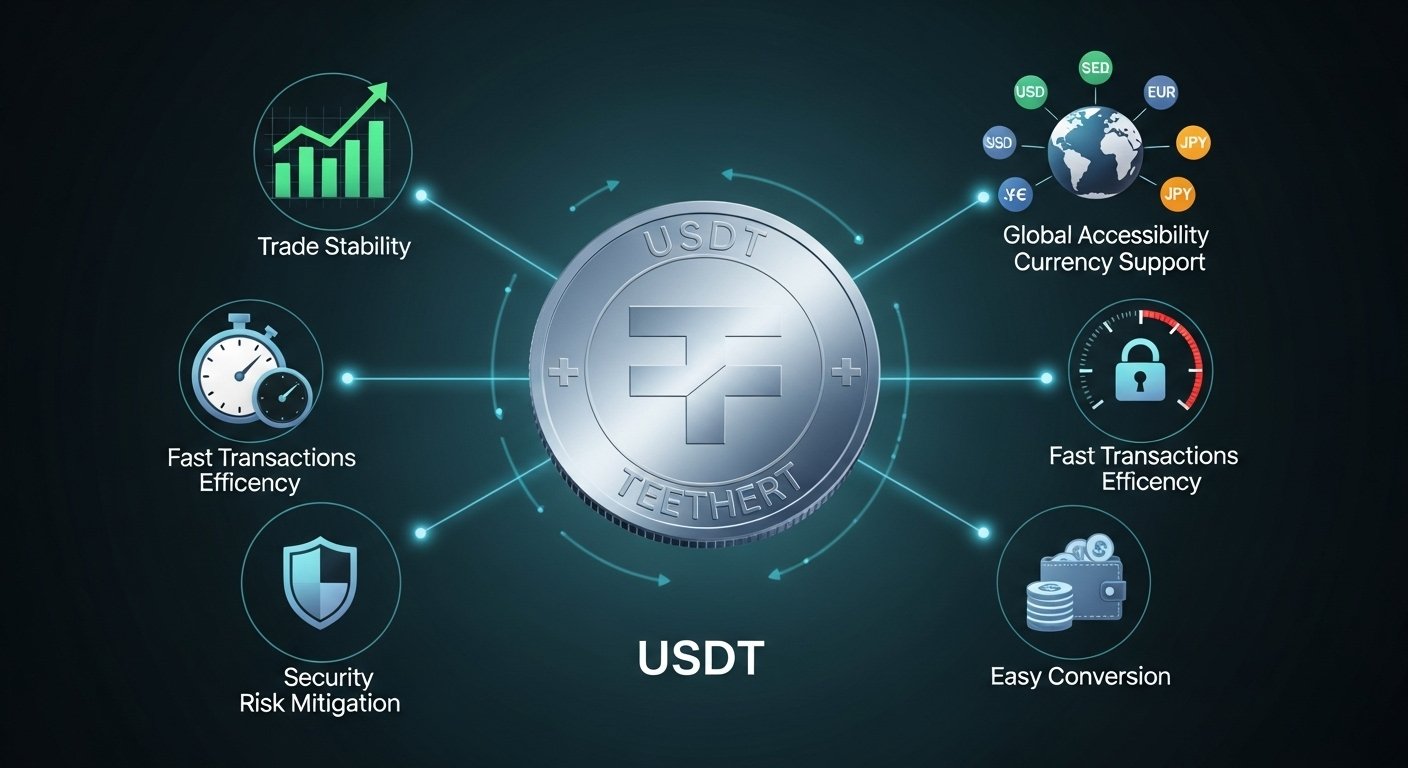
There are reasons stablecoins have grown so quickly. They solve practical problems, especially in cross-border commerce.
Speed and flexibility
One of the clearest benefits is speed. Stablecoin transfers can settle quickly. When Iran holds $500M in USDT, it can move funds faster than many traditional routes, which can make a difference in time-sensitive trade.
Lower dependence on intermediaries
Bank transfers often depend on multiple intermediary banks, each with their own rules and timelines. Stablecoins can reduce the number of steps involved. This does not eliminate risk, but it can reduce friction in some cases. That is part of why Iran holds $500M in USDT is framed as a strategy for trade resilience.
Dollar stability without physical cash handling
USDT is a digital asset. It can be stored in secure custody setups and transferred without physical movement. When Iran holds $500M in USDT, it is holding a form of dollar-linked liquidity that is portable and divisible.
Risks and Limits of the Strategy
A stablecoin reserve is not risk-free. In fact, the risks can be very different from traditional reserves. Any serious discussion of Iran holds $500M in USDT must include the downside.
Centralization and issuer control
USDT is issued by a centralized entity. That means the issuer may have the ability to freeze or restrict funds under certain conditions. If Iran holds $500M in USDT, this is a major strategic risk because reserves are most valuable during crises, and a restricted reserve cannot play its role.
Custody and cybersecurity risk
Holding digital assets requires strong security. A mistake in key management can lead to loss. If Iran holds $500M in USDT, the custody framework must be extremely strong, with governance controls that reduce both external threats and internal misuse.
Liquidity and market conditions
USDT is usually liquid, but liquidity can change during market stress. Large conversions may face wider spreads. When Iran holds $500M in USDT, its ability to deploy that reserve smoothly depends on the liquidity environment and available counterparties.
Regulatory pressure on counterparties
Stablecoin transactions often face scrutiny, especially at scale. Counterparties may be cautious if they depend on regulated channels. If Iran holds $500M in USDT, trade routes may rely on partners and intermediaries who are comfortable operating in stablecoin-based settlement networks.
What This Means for Crypto and Global Payments
The headline Iran holds $500M in USDT also reflects a broader global trend: stablecoins are becoming part of mainstream finance discussions.
Stablecoins as financial infrastructure
Stablecoins are increasingly seen as payment rails, not just exchange tools. If Iran holds $500M in USDT, it reinforces the idea that stablecoins can play a role in trade settlement and treasury liquidity management.
Growth of “digital dollar” demand
In many regions, demand for dollar stability is strong. USDT is one way markets satisfy that demand. When Iran holds $500M in USDT, it highlights how digital dollars can be used where traditional access to dollars is limited or expensive.
A shift in how trade can be settled
If stablecoins become normal for settlement, trade finance could evolve. Even if stablecoins do not replace banks, they can change settlement expectations. The fact that Iran holds $500M in USDT fits into that larger story of new settlement rails.
What Happens Next?
Whether Iran holds $500M in USDT as a long-term reserve or a tactical tool, the next steps depend on risk management and global conditions.
If holdings increase, stablecoin settlement could become more common in certain trade flows. If holdings decrease, it may reflect a shift toward other reserve tools or concerns about issuer control. In either case, the story shows that stablecoins are no longer only a retail topic. They are becoming a strategic subject in international finance.
Conclusion
The headline Iran holds $500M in USDT matters because it connects stablecoins to real economic goals: smoother trade payments and stronger access to dollar-linked liquidity. USDT offers speed, portability, and price stability that can help with trade settlement and treasury planning. It may also provide a flexible cushion for certain currency-related needs.
However, the strategy also carries serious risks. Centralization, issuer control, custody security, and regulatory pressure can all limit how dependable stablecoin reserves are under stress. That is why the discussion around Iran holds $500M in USDT is not only about crypto. It is about how countries adapt to financial constraints and how stablecoins are reshaping global payment options.
FAQs
Q: Why would Iran hold USDT instead of holding dollars directly?
Because USDT can act like digital dollars that are easier to move quickly across borders. If Iran holds $500M in USDT, it may be seeking speed and flexibility for trade settlement.
Q: Can stablecoins really be used for trade payments?
Yes, in corridors where both parties agree. Many businesses already use stablecoins for cross-border payments. That is one reason Iran holds $500M in USDT is linked to trade support.
Q: Does holding USDT automatically stabilize a country’s currency?
Not automatically. But a large reserve can support certain settlement needs and reduce pressure in some channels. If Iran holds $500M in USDT, it can help with liquidity and trade continuity, which can indirectly affect stability.
Q: What is the biggest risk of using USDT as a reserve asset?
The biggest risk is issuer control. USDT is centralized, and restrictions are possible under certain conditions. This is a key concern whenever Iran holds $500M in USDT is discussed.
Q: Could other countries adopt a similar approach?
Some might, especially where trade settlement faces friction. The fact that Iran holds $500M in USDT may encourage interest in stablecoins as a tool for trade and treasury flexibility.
Also More: Bitcoin Price Prediction 2025 Today Expert Analysis and Future Outlook
